Photo via The Daily Egyptian
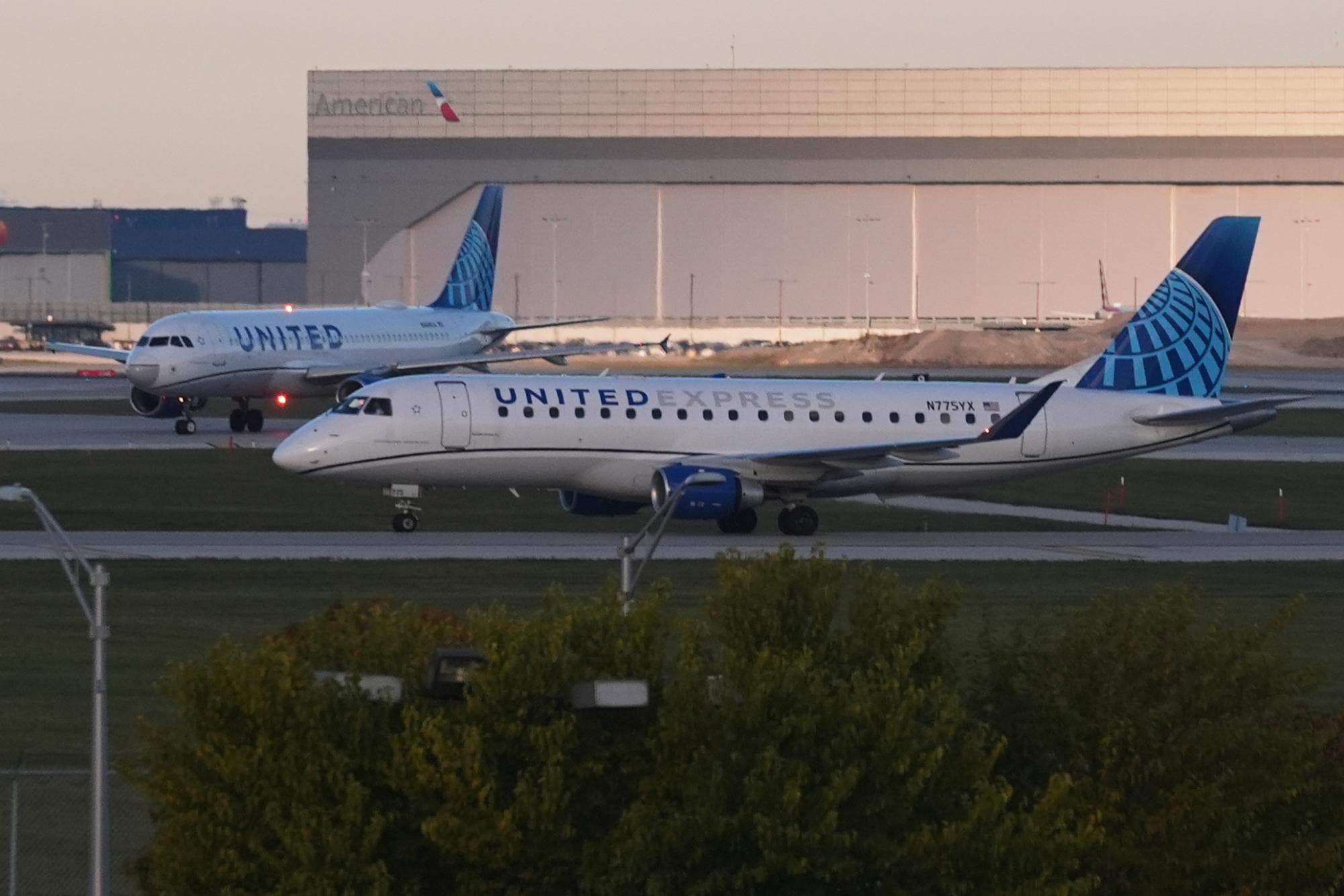
President Trump's budget proposal includes a significant cut to the Essential Air Service (EAS) program at the U.S. Department of Transportation, with $372 million in reduced funding under review by Congress. According to The Daily Egyptian, the program currently subsidizes commercial airline service to smaller communities across the country that might otherwise lack viable flight options. Such cuts could reshape regional air travel infrastructure and force smaller airports to reassess service agreements with carriers.
For Nashville-area businesses that rely on regional air connectivity, changes to EAS funding merit close attention. Communities throughout the Southeast depend on subsidized service to maintain connections to major hubs, and reduced federal support could limit options for companies conducting business across smaller markets or relying on distributed supply chains. Airport authorities and regional economic development agencies may need to explore alternative funding mechanisms or partnerships.
Congress is currently evaluating the proposal, meaning stakeholders have an opportunity to weigh in on potential impacts. Regional business leaders, airport operators, and companies dependent on air service to smaller communities should monitor legislative developments closely and consider whether advocacy is warranted to protect existing connectivity in their areas.