Photo via FreightWaves
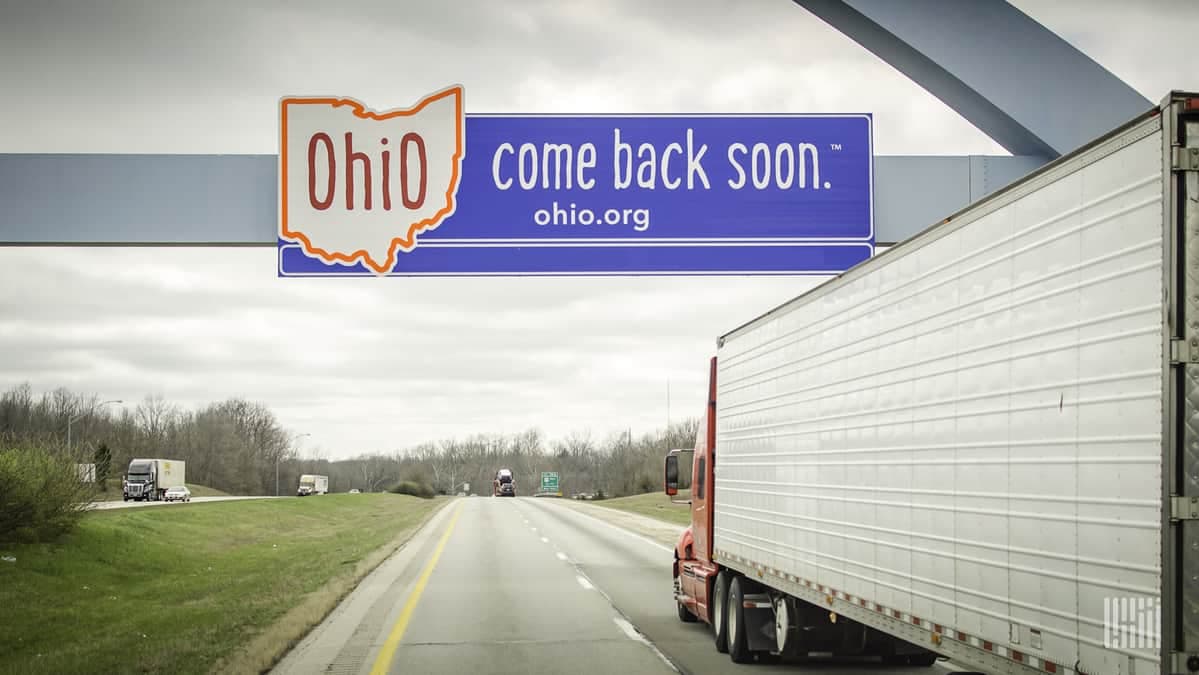
Federal regulators are intensifying their oversight of commercial driver licenses, with Ohio now joining a broader compliance initiative targeting nonresident CDL holders. According to FreightWaves, the state plans to conduct a comprehensive review of approximately 5,000 non-domiciled commercial licenses, reflecting a nationwide push to ensure adherence to federal standards.
This compliance crackdown represents a significant shift in how states manage CDL records, particularly for drivers who maintain licenses outside their primary domicile. The federal effort aims to close gaps in driver verification and licensing standards that have existed across state lines, potentially affecting fleets nationwide that employ out-of-state or transient drivers.
For Nashville-area logistics companies and trucking operations, the regulatory tightening underscores the importance of maintaining thorough driver documentation and compliance protocols. Many regional carriers operate across multiple states and employ drivers with varying domicile requirements, making these federal standards increasingly relevant to local business operations.
As states continue rolling out compliance reviews, industry stakeholders should monitor developments for potential impacts on hiring practices, driver retention, and operational procedures. The trend suggests that federal oversight of commercial transportation will continue to evolve, requiring logistics companies to stay informed and proactive in their regulatory compliance efforts.