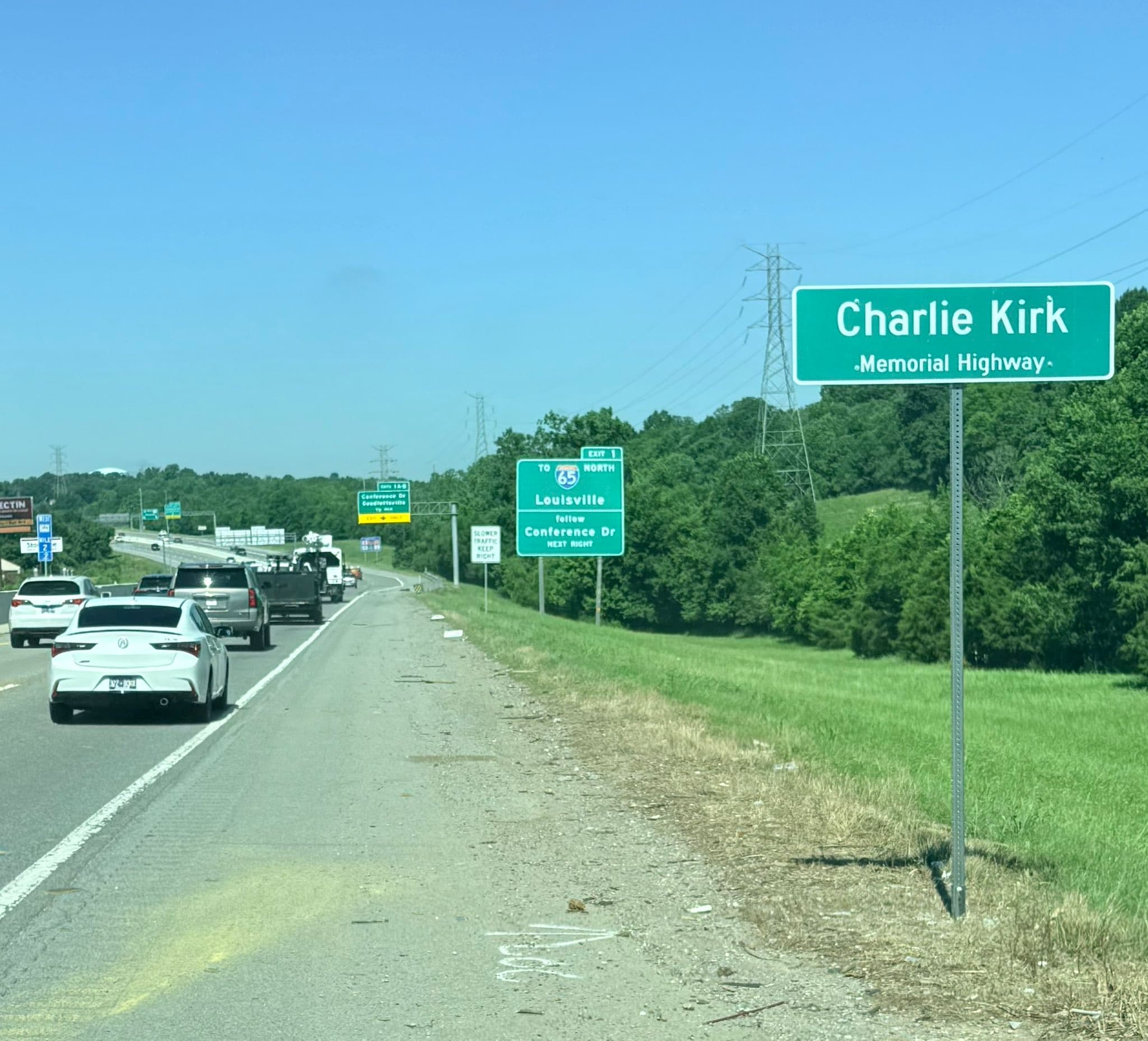
Photo via WPLN Nashville NPR
According to reporting from WPLN Nashville NPR, a federal task force deployed to Memphis last fall ostensibly for crime prevention has primarily conducted immigration arrests, with the majority of those arrested lacking criminal convictions. The operation represents a significant reallocation of federal resources toward immigration enforcement rather than traditional crime-fighting measures. As the Trump administration signals its intention to expand this model to other cities, Tennessee business leaders should understand the potential implications for their operations and workforce stability.
For Nashville-area employers, particularly in hospitality, construction, agriculture, and food service sectors that rely on immigrant labor, such enforcement patterns could disrupt operations and create staffing challenges. The broader question facing regional business communities is how workplace demographics and labor availability might shift if immigration enforcement becomes a primary federal focus. Companies already grappling with labor shortages may find these operations complicate recruitment and retention strategies, particularly if enforcement expands beyond Memphis into surrounding Tennessee markets.
Business leaders in Nashville should monitor these developments closely and consider their implications for human resources policies, supply chain resilience, and workforce planning. Whether through industry associations or legislative advocacy, the business community may need to engage with policymakers to ensure that federal enforcement actions account for economic impacts and workforce needs across Tennessee's key industries.