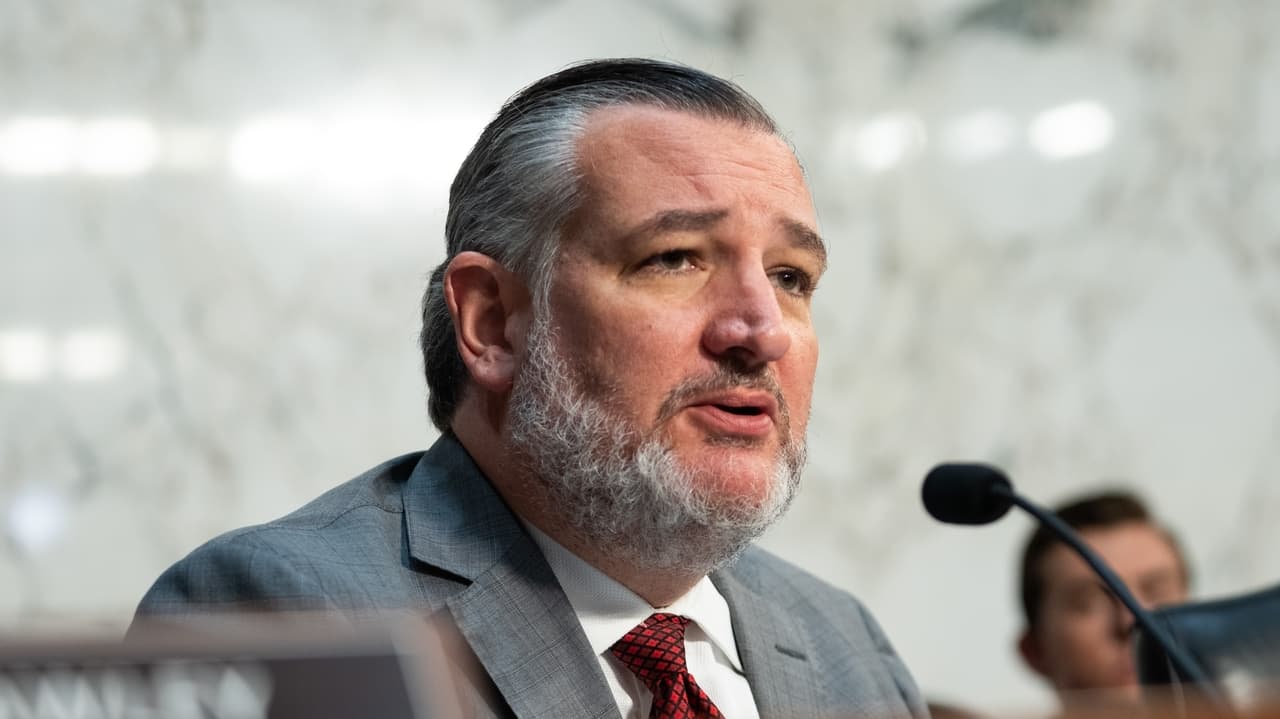
Photo via Newsday
According to Newsday, lawmakers are advancing a reworked Senate bill designed to bring federal oversight to the largely unregulated Name, Image, and Likeness (NIL) market in college sports. The legislation would substantially increase the money available to schools for athlete compensation through a shared retention pool, addressing concerns that current NIL spending is unsustainable and inequitable. This move signals growing congressional interest in standardizing athletic compensation across all divisions of college sports.
The $25 million retention pool represents a significant increase from previous proposals, yet questions remain whether the figure will prove sufficient to satisfy powerhouse conferences like the Big Ten and SEC. These conferences, which include major revenue-generating programs, have expressed skepticism about federal intervention in what they view as market-driven compensation. For Nashville-area institutions and regional universities, such federal guidelines could level the playing field by capping spending while guaranteeing minimum resources for athlete development and compensation.
As college athletics continues to grapple with the commercialization of player likenesses, a uniform federal framework could provide clarity for institutions, athletes, and sponsors alike. The outcome of this legislative effort will likely determine whether conferences embrace standardized NIL regulations or seek alternative pathways to maintain competitive advantage in recruiting and retention—a distinction that could affect how Nashville-based universities and regional athletic programs navigate their budgets and recruiting strategies moving forward.