Photo via Fast Company
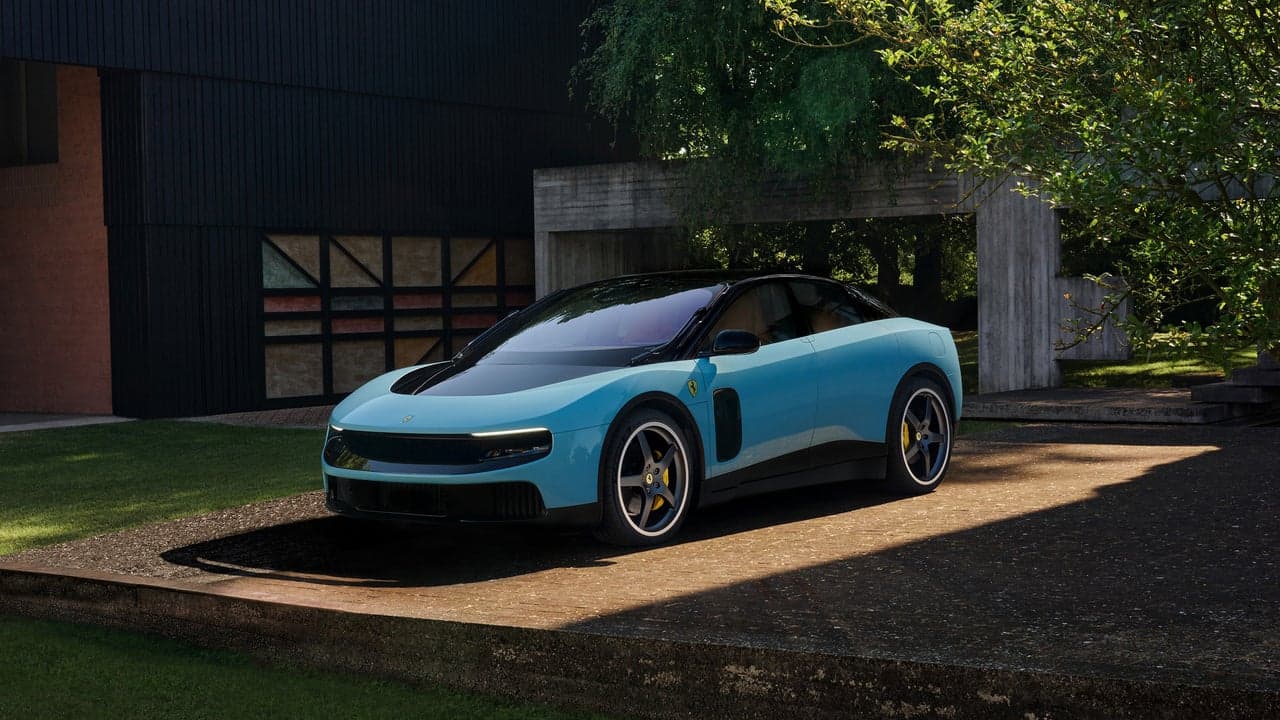
Ferrari unveiled its first all-electric vehicle, the Luce, to a polarized market response that sent the Italian luxury automaker's stock sliding in premarket trading. Named after the Italian word for "light," the vehicle represents a fundamental departure from Ferrari's traditional design language—one that raises important questions about how legacy brands maintain identity during technological transitions, a challenge that extends beyond automotive to any established company navigating disruption.
Designed by former Apple chief design officer Jony Ive and Marc Newson through their LoveFrom collective, the $640,000 vehicle drew criticism from online communities who felt the sleek, rounded forms resembled an iPad more than a Ferrari sports car. According to Fast Company, Reddit users called the design "awful," while social media commenters questioned whether the vehicle maintained Ferrari's distinctive DNA. This backlash reflects a broader tension in luxury markets: consumers value heritage and tradition, yet demand innovation and progress.
The Luce's design philosophy prioritizes the opportunities created by electric powertrains, including a radically new architecture that enables greater interior spaciousness than traditional combustion-engine sports cars allow. Featuring over 60 new patents, the vehicle blends futuristic computer-like aesthetics with tactile analog controls—knobs, switches, and buttons that offer what Ive described as a satisfying physical interface. This hybrid approach suggests that as Nashville-area luxury goods markets evolve, successful brands may need to balance digital innovation with sensory experience.
Ultimately, Ferrari's strategy recognizes that ultra-premium pricing insulates the company from mass-market approval. At a price point exceeding the median U.S. home value, the vehicle targets a limited clientele seeking exclusive, unconventional design over universal acceptance. This business model—designing boldly for a niche audience rather than seeking broad consensus—offers a instructive lesson for high-end brands navigating the EV transition while preserving exclusivity and brand prestige.