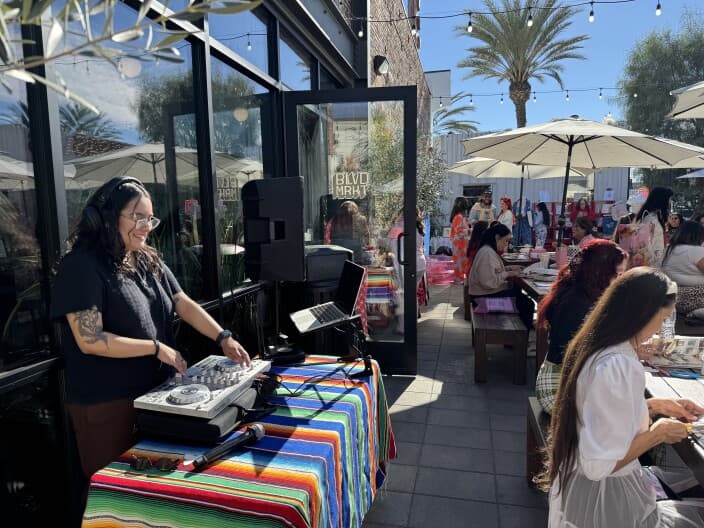
Photo via Laist
Food halls have emerged as a powerful real estate strategy in Southern California, transforming underutilized spaces into vibrant community gathering points. According to Laist, these culinary hubs stretch from Montebello to Long Beach, attracting diverse customer bases and creating dynamic environments that extend beyond typical dining experiences. For Nashville's retail and hospitality sectors, this trend offers valuable lessons about adaptive reuse and mixed-use development.
The appeal of food halls lies in their ability to aggregate multiple independent food vendors under one roof, reducing individual barriers to entry while maximizing foot traffic. Unlike traditional restaurants, food halls distribute risk across multiple operators and create a 'destination' mentality that encourages longer visits and repeat patronage. This model mirrors growing interest in Nashville's own culinary scene, where entrepreneurs and investors are increasingly exploring collaborative dining concepts.
Beyond their commercial viability, these spaces function as genuine community anchors. By hosting diverse cuisines and vendor types, food halls foster cultural exchange and serve as meeting grounds for neighborhoods. The success of Southern California's examples suggests that Nashville developers might find similar opportunities in underserved areas, potentially revitalizing neighborhoods while supporting local food entrepreneurs.
As Nashville continues its retail evolution, the food hall model warrants attention from property owners and investors seeking innovative uses for commercial space. The combination of affordable vendor opportunities, built-in traffic generation, and community benefit creates a sustainable real estate play that aligns with contemporary consumer preferences for authentic, experiential dining destinations.