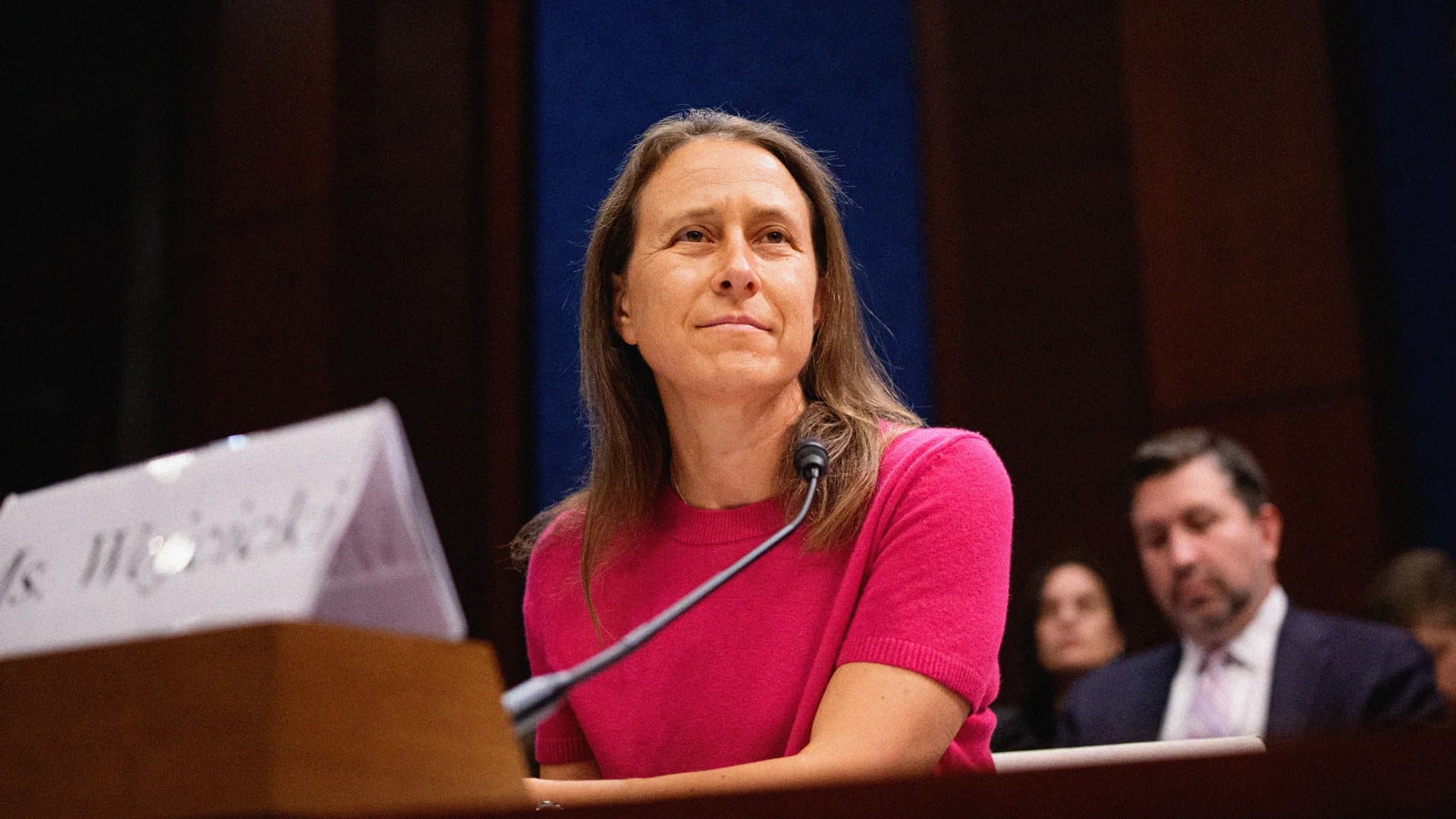
Photo via Inc.
According to Inc., the decline of 23andMe illustrates a critical governance failure in startup leadership: when founders maintain absolute control without meaningful oversight, they eliminate the checks and balances that help companies navigate crises. This cautionary tale should resonate with Nashville-area business leaders who are building their own organizations and determining how much authority they're willing to delegate or share with boards and management teams.
The genetic testing company's troubles stemmed from decisions that went unchallenged internally, creating a culture where dissenting voices were either absent or ignored. For growing companies in Nashville's tech and healthcare sectors, this underscores the value of diverse board composition and creating genuine accountability structures. Strong boards don't constrain visionary founders—they enhance decision-making by introducing fresh perspectives and institutional knowledge.
Founders who surround themselves with independent advisors and genuinely empowered boards actually improve their odds of long-term success. When no one feels comfortable questioning strategy, market pivots, or financial decisions, warning signs go unheeded until problems become existential. Nashville entrepreneurs building sustainable enterprises should view board development and governance not as obstacles, but as tools that strengthen their organizations.
The 23andMe situation reinforces a timeless principle: the best-led companies balance founder vision with collaborative leadership. For Nashville's startup community, this means intentionally building teams and boards that can push back respectfully, challenge assumptions, and ultimately help save a company when its leader's instincts prove misaligned with market reality or stakeholder interests.