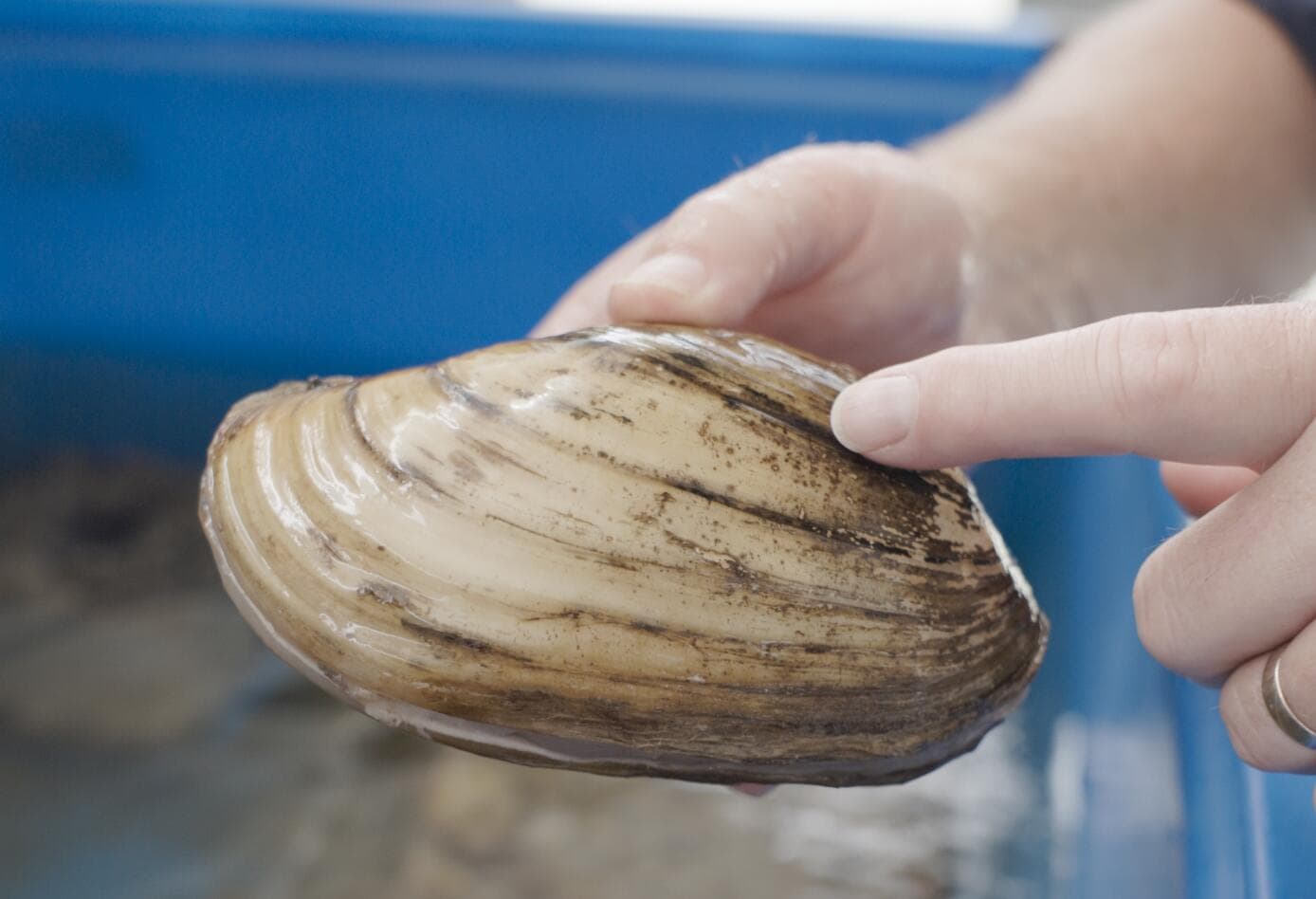
Photo via WPLN Nashville NPR
Freshwater mussels, which serve as natural water filtration systems throughout Tennessee's rivers and streams, are experiencing significant population declines that have environmental scientists concerned. According to WPLN Nashville NPR, the species—found throughout waterways in Kentucky, Tennessee, and West Virginia—play a critical role in maintaining healthy aquatic ecosystems. The scale of the problem has prompted regional researchers to launch comprehensive studies aimed at identifying the root causes behind the disappearing mussel populations.
The ecological impact of declining mussel populations extends beyond the species itself. These organisms function as biological filters, removing algae and suspended particles that can degrade water quality—a concern for communities across Middle Tennessee that depend on clean freshwater sources. The loss of mussel biodiversity also disrupts the food chain and habitat stability in regional waterways, potentially affecting fish populations and other aquatic species that sustain both wildlife and local economies.
Understanding the causes of this decline is essential for developing effective conservation strategies. Researchers are examining multiple factors that may contribute to mussel population loss, from water quality changes to habitat destruction and disease. For Nashville-area businesses dependent on healthy watersheds—including manufacturers, agriculture operations, and tourism industries—the outcomes of this research could influence future environmental policies and water management decisions affecting the region.