Photo via Fast Company
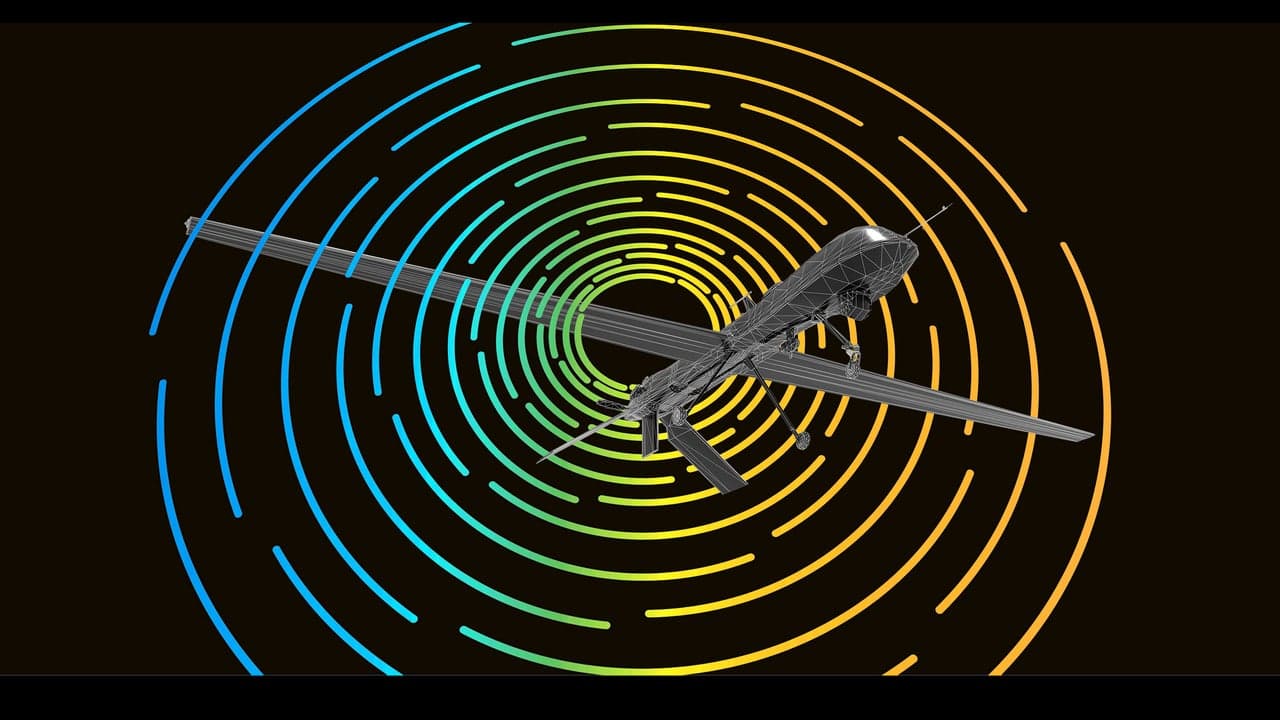
Brandon Tseng, cofounder of San Diego-based Shield AI, has built a $13 billion company around a concept that seemed radical just over a decade ago: autonomous military systems powered by artificial intelligence. According to Fast Company, Tseng's journey from Navy SEAL officer to defense-tech entrepreneur illustrates how a once-stigmatized sector has rapidly gained legitimacy and investor backing. What was dismissed as too risky for Silicon Valley in 2015 has become an unstoppable market force, with Tseng's Hivemind software enabling drones and vehicles to operate independently in active conflict zones without human operators or GPS.
The shift reflects broader momentum in defense innovation. Tseng's core thesis—that every military asset should eventually be powered by AI—extends beyond current applications in Ukraine and the Middle East. He anticipates autonomous systems will outnumber humans on the planet this century, making defense technology just one frontier in a much larger transformation. For Nashville-area businesses exploring AI integration or defense contracting partnerships, Tseng's success demonstrates the market opportunity when founders combine technical expertise with real-world problem-solving grounded in operational experience.
Tseng acknowledges the ethical tensions inherent in his work, noting that oversight comes through government partnerships and State Department regulation rather than company discretion alone. He emphasizes the U.S. military's stringent protocols around autonomous weapons deployment, claiming the military cancels missions 25 times more often than it executes them due to collateral damage concerns. This governance framework—however imperfect—remains central to his pitch for why advanced defense technology should remain allied with U.S. interests rather than competing nations.
Beyond the geopolitics, Tseng offers insights applicable to any Tennessee entrepreneur scaling a venture. He draws parallels between military discipline and startup execution, emphasizing what he calls a "warrior culture" of professional excellence, resilience, and refusing to quit. For local business leaders facing investor pressure and operational challenges, his observation that entrepreneurship equals military service in terms of psychological strain—and that losing other people's money creates more stress than physical danger—underscores the human cost of building scalable companies in competitive markets.