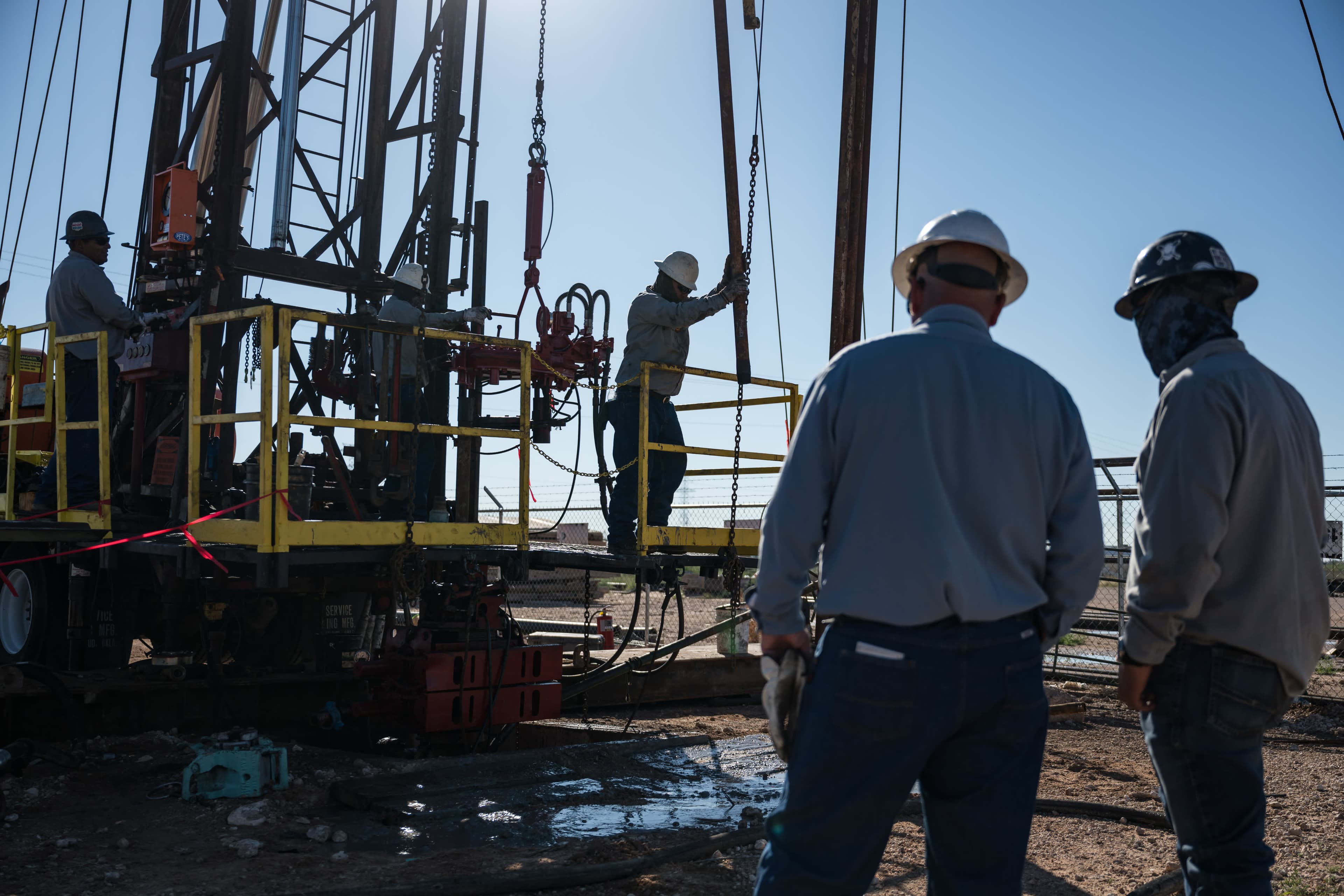
Market observers point to a disconnect between crude oil costs and retail gasoline prices that defies typical supply-and-demand mechanics. While international oil prices face downward pressure, consumers at the pump continue experiencing elevated fuel costs, suggesting that factors beyond geopolitical events—such as Middle East tensions—are driving pricing. According to MarketWatch analysis, Wall Street dynamics and structural market inefficiencies are playing a more significant role than headline-grabbing international conflicts.
The persistent gap between wholesale and retail fuel prices reflects broader challenges in energy market pricing architecture. Refineries, distributors, and retailers operate within systems that don't always immediately transmit cost reductions to consumers, even when upstream crude becomes cheaper. This structural lag creates what economists describe as a pricing trap—one where downward pressure on oil fails to translate into corresponding relief at the pump.
Understanding these market mechanics matters for policymakers and consumers alike. Rather than waiting for geopolitical calm to bring gas prices down, attention should focus on the financial infrastructure that insulates fuel retailers from commodity price swings. Addressing these systemic pricing dynamics could prove more effective than hoping for international stability in influencing what Americans ultimately pay for fuel.