Photo via FreightWaves
Global supply chains are contending with unprecedented simultaneous pressures at strategic maritime chokepoints including the Red Sea and Strait of Hormuz, according to industry experts. These geopolitical and climate-related disruptions are compounding traditional supply chain challenges, creating what analysts describe as a convergence of crises that extends beyond conventional tariff concerns. The combined effect is driving material increases in logistics costs and pushing delivery timelines further out, while straining port and transportation infrastructure across multiple continents.
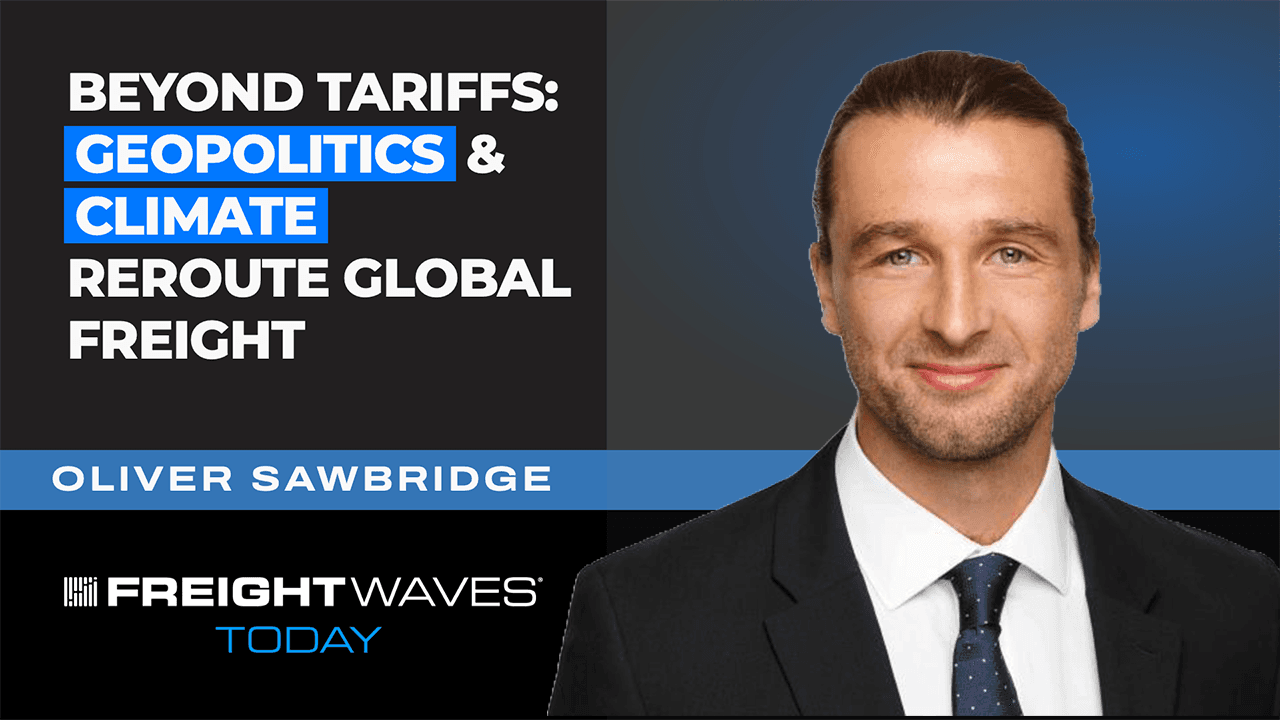
According to Oliver Sawbridge of Zero100, the compounding nature of these disruptions demands a fundamental reassessment of how companies approach supply chain planning. Rather than treating tariffs as the primary risk factor, shippers must now account for geopolitical instability and climate-related events as permanent variables in their operational models. This shift requires investment in alternative routing capabilities, enhanced inventory buffers, and greater supply chain visibility to anticipate and absorb shocks.
Industry observers increasingly view supply chain resilience as a critical competitive advantage rather than a cost center. Companies that build redundancy into their logistics networks and diversify supplier dependencies are better positioned to navigate the volatile operating environment. As disruptions at key chokepoints become more frequent and interconnected, establishing robust contingency planning has moved from optional to essential for maintaining operational continuity.