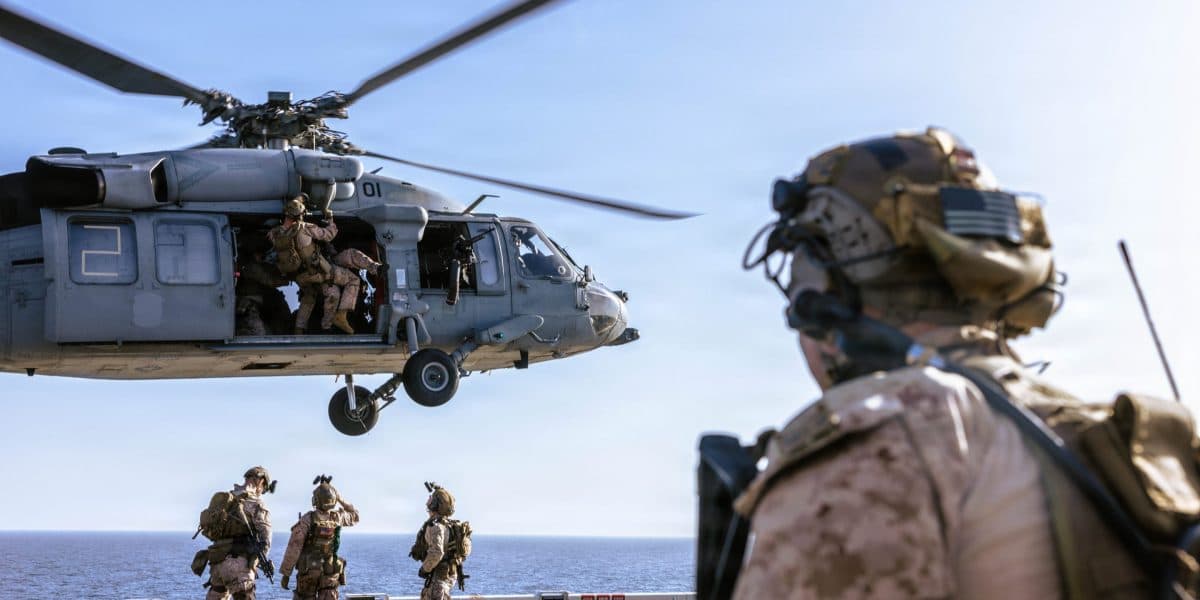
Photo via Fortune
As diplomatic discussions between the United States and Iran continue, concerns about regional stability and energy security are intensifying among policy experts and industry observers. According to Fortune, tensions surrounding control of the Strait of Hormuz—a critical chokepoint for global oil shipments—remain a flashpoint in ongoing negotiations. The strait's importance cannot be overstated: disruptions to shipping through this waterway could have immediate consequences for energy prices and supply chains across North America.
A Trump administration ally has voiced skepticism about assumptions that Iran could effectively control the strait or prevent regional military responses to Iranian capabilities. The skeptic's comments reflect broader uncertainty about the durability of any potential agreement and what security guarantees might accompany a deal. For Nashville businesses reliant on stable energy costs—from logistics firms to manufacturers—these geopolitical calculations directly influence operational expenses and planning.
The Strait of Hormuz handles roughly one-third of globally traded crude oil, making it vital to U.S. energy independence and pricing stability. Any perception that a single nation could dominate this waterway could trigger market volatility and insurance cost increases for shipping. Regional instability also affects defense contracting and related industries that have economic ties to Middle East policy decisions.
Business leaders in Nashville should monitor developments in U.S.-Iran negotiations closely, as shifts in Middle East policy can cascade into energy price fluctuations and supply chain disruptions. Companies exposed to international shipping, petroleum products, or defense spending should consider how regional security arrangements might affect their bottom line and operational timelines.