Photo via Inc.
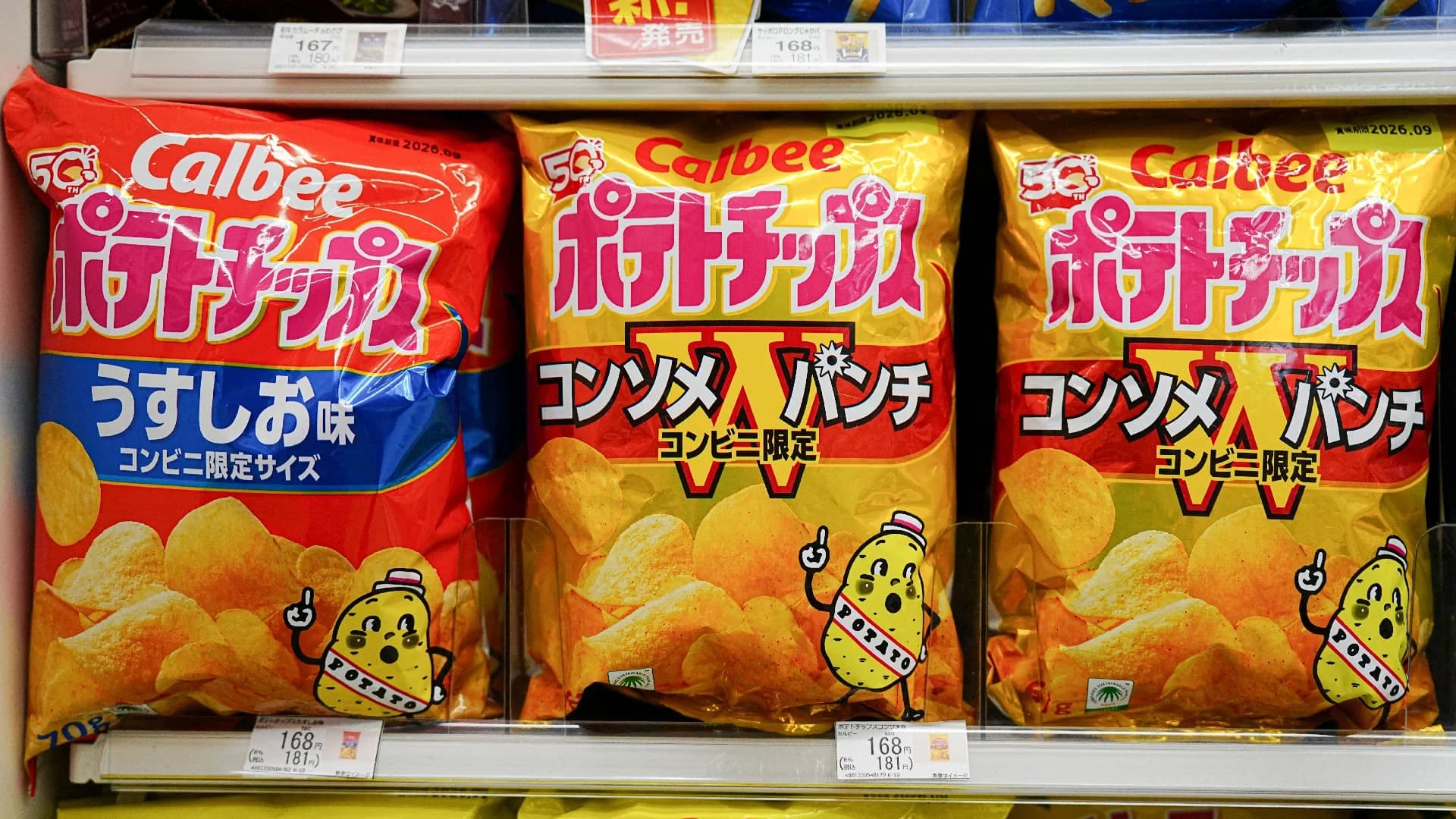
Japan's leading snack manufacturer Calbee is making significant changes to its packaging strategy due to supply constraints linked to geopolitical tensions in the Middle East. According to Inc., the company is shifting some of its most recognizable products to monochrome packaging designs, a move that underscores how far-reaching global logistics challenges have become in the consumer goods sector.
The Strait of Hormuz blockade has created widespread shortages of materials critical to the snack industry's operations. For Nashville-area businesses involved in food distribution, retail, or imported goods, this situation illustrates the cascading effects that regional conflicts can have on everyday consumer products and profit margins. The ripple effects demonstrate why supply chain resilience has become a priority for companies nationwide.
Product packaging redesigns like Calbee's reflect a broader trend: manufacturers are forced to innovate quickly when traditional supply routes face disruption. Switching to simpler, monochrome designs reduces reliance on specialized materials and printing processes, allowing companies to maintain production and shelf presence during uncertain times. This approach prioritizes availability over aesthetic appeal—a trade-off consumers are increasingly accepting.
For Nashville business leaders, Calbee's situation serves as a reminder to evaluate supply chain vulnerabilities and build contingency plans. Companies importing goods or relying on complex packaging specifications should consider diversifying suppliers and exploring alternative production methods. The stability of global trade routes directly impacts local inventory levels, pricing, and ultimately, competitive positioning in regional markets.