Photo via Fortune
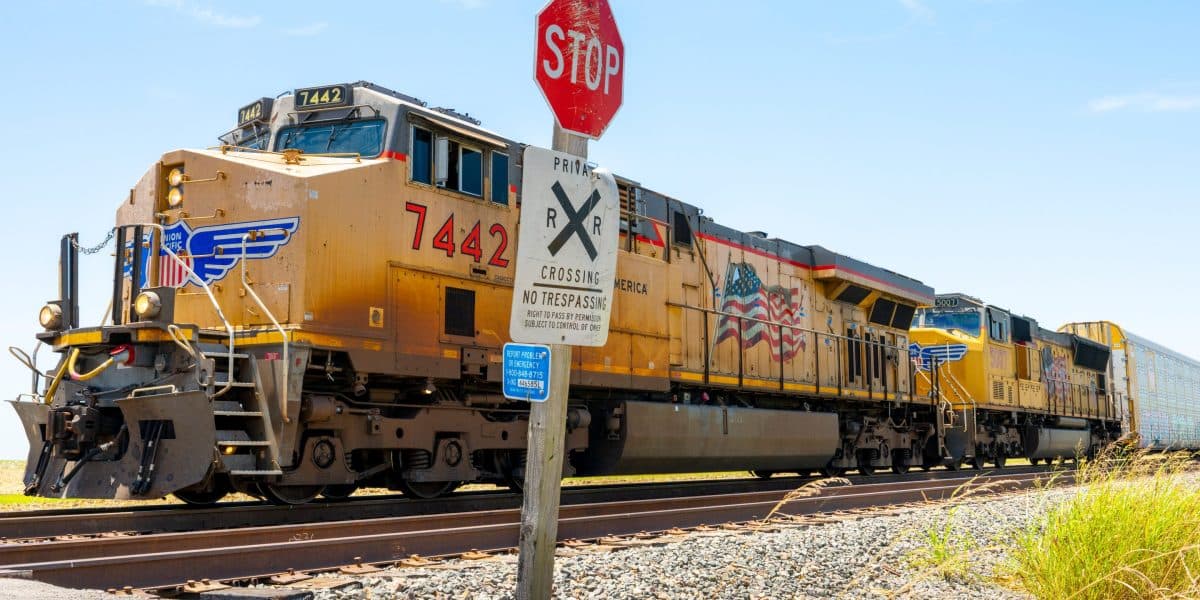
In a surprising move, former President Trump has proposed that the federal government take a 15% equity stake in what appears to be Union Pacific's acquisition of Norfolk Southern, according to reporting from Fortune. While Trump did not publicly name the companies involved, industry observers note this is the only major railroad merger currently pending regulatory review. The proposal marks an unusual intervention into private corporate transactions and raises questions about the future of freight rail consolidation in America.
Nashville's position as a major logistics hub makes this proposed merger particularly relevant to regional businesses. The city serves as a critical distribution center for companies moving goods across the Southeast, with rail infrastructure playing an essential role in supply chain operations. Any significant changes to rail consolidation or operations could ripple through Nashville's warehousing, manufacturing, and e-commerce sectors that depend heavily on efficient freight movement.
The proposal to grant the government equity ownership in a railroad merger is unconventional and likely to face considerable scrutiny. Regulatory authorities would need to weigh whether such an arrangement serves the public interest or sets a problematic precedent for government involvement in private sector transactions. Industry stakeholders, including Nashville-based logistics companies, will be monitoring how federal regulators respond to this proposal in coming months.
For Nashville business leaders, this development underscores the importance of staying engaged with transportation policy at the national level. Changes to rail infrastructure and consolidation could affect shipping costs, delivery times, and supply chain reliability for companies across the region. Businesses dependent on rail freight should consider how potential merger conditions or government involvement might impact their logistics operations and competitive positioning.