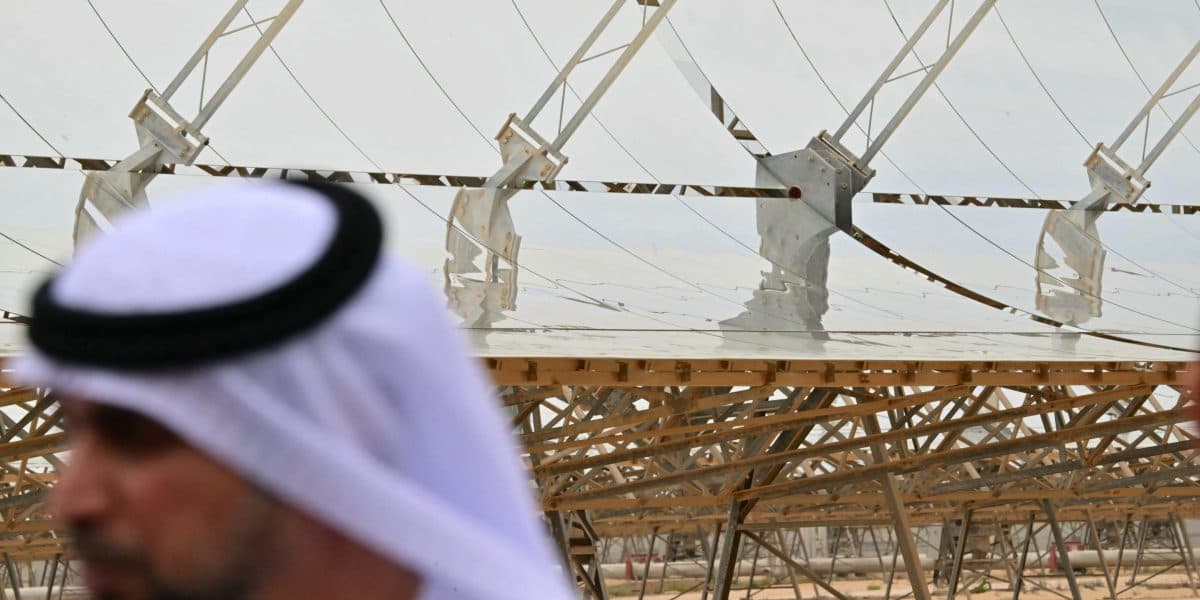
Photo via Fortune
Recent geopolitical tensions in the Middle East have created unprecedented disruptions to global oil supplies, prompting Gulf states to reassess their long-term energy strategies. According to Fortune, the scale of this disruption is the largest on record, spurring policymakers in oil-dependent economies to pursue aggressive diversification into renewable energy sources. This shift represents a fundamental recalibration of how traditional energy powerhouses view their economic futures.
The Gulf Cooperation Council nations—including Saudi Arabia, the United Arab Emirates, and others—are now committing billions of dollars toward solar, wind, and other renewable infrastructure projects. These investments signal a recognition that reliance on oil exports alone leaves economies vulnerable to supply shocks and geopolitical volatility. For energy-dependent regions worldwide, including those tied to global supply chains, this transition could have ripple effects on pricing, investment opportunities, and workforce development.
Nashville-area businesses in logistics, manufacturing, and energy-adjacent industries should monitor these developments closely. As Gulf states restructure their energy portfolios, changes in commodity pricing and international trade patterns could influence input costs and market conditions for Tennessee companies with global operations or supply chain exposure to energy sectors.
The timing of these renewable investments reflects a broader global trend toward energy independence and climate considerations. Analysts expect continued capital flows into renewable technology and infrastructure over the coming years, potentially creating opportunities for engineering firms, technology providers, and equipment manufacturers positioned to support large-scale energy transitions.