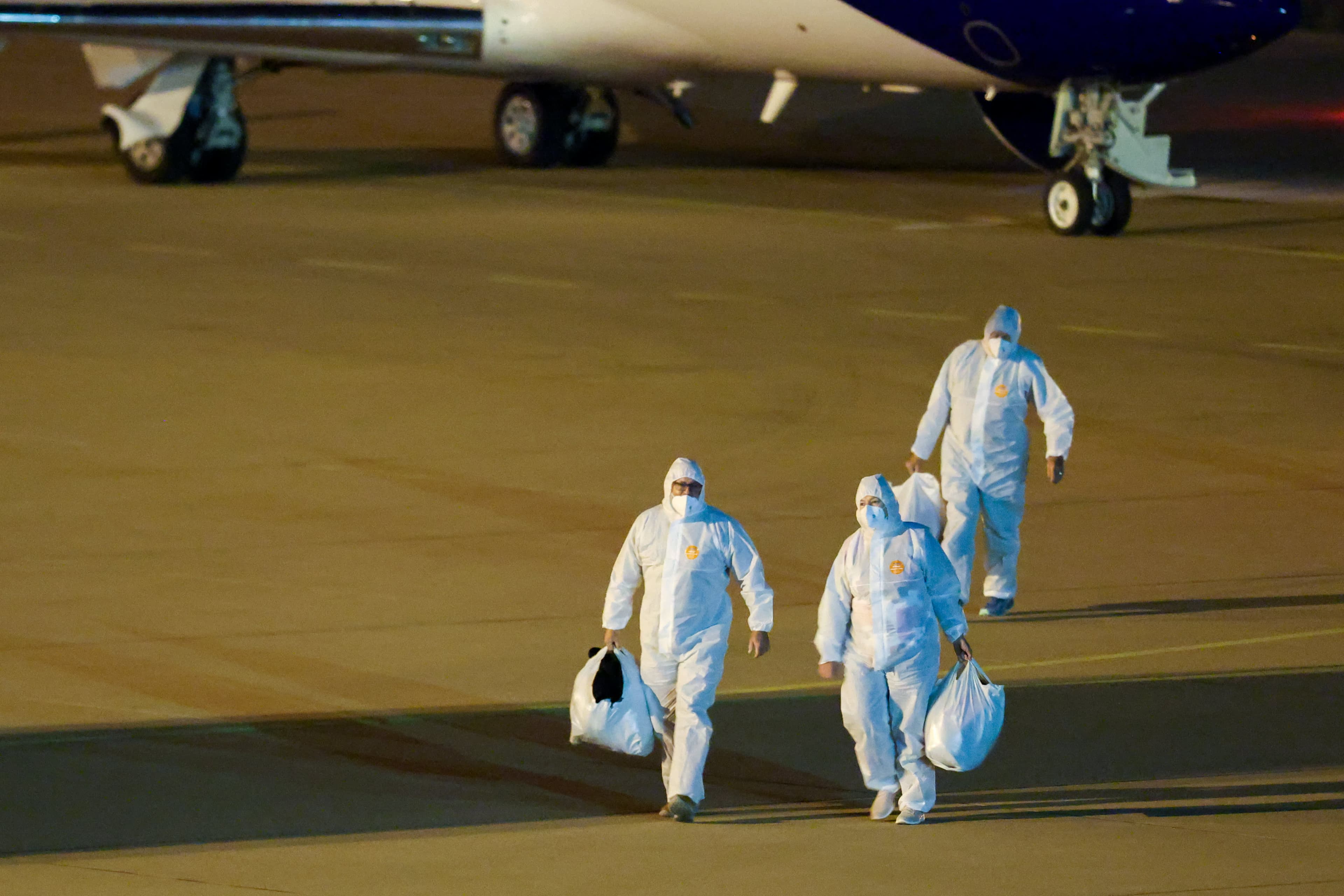
Photo via CNBC Business
The recent hantavirus outbreak has become a focal point for public health officials and business continuity experts evaluating the nation's infectious disease response capabilities. According to CNBC Business, the situation is raising critical questions about whether lessons learned during the COVID-19 pandemic have been adequately applied to strengthen our healthcare infrastructure and emergency protocols.
For Nashville-area healthcare organizations, manufacturers, and service providers, the outbreak underscores the importance of robust contingency planning and supply chain resilience. Local businesses that depend on consistent operations must consider how infectious disease threats could impact workforce availability, customer access, and regional logistics networks.
Health experts emphasize that while this outbreak differs significantly from COVID-19 in scale and transmission patterns, it serves as a valuable stress test for detection systems, diagnostic capabilities, and inter-agency communication protocols. The response reveals both strengths in our current infrastructure and gaps that require attention before the next major health crisis emerges.
For Tennessee business leaders, the situation reinforces the need for updated pandemic preparedness policies, flexible work arrangements, and diversified supply chains. Companies that invested in remote capabilities and health screening measures during COVID-19 are better positioned to manage emerging threats, making infectious disease preparedness an ongoing business resilience issue rather than a temporary concern.