Photo via Fast Company
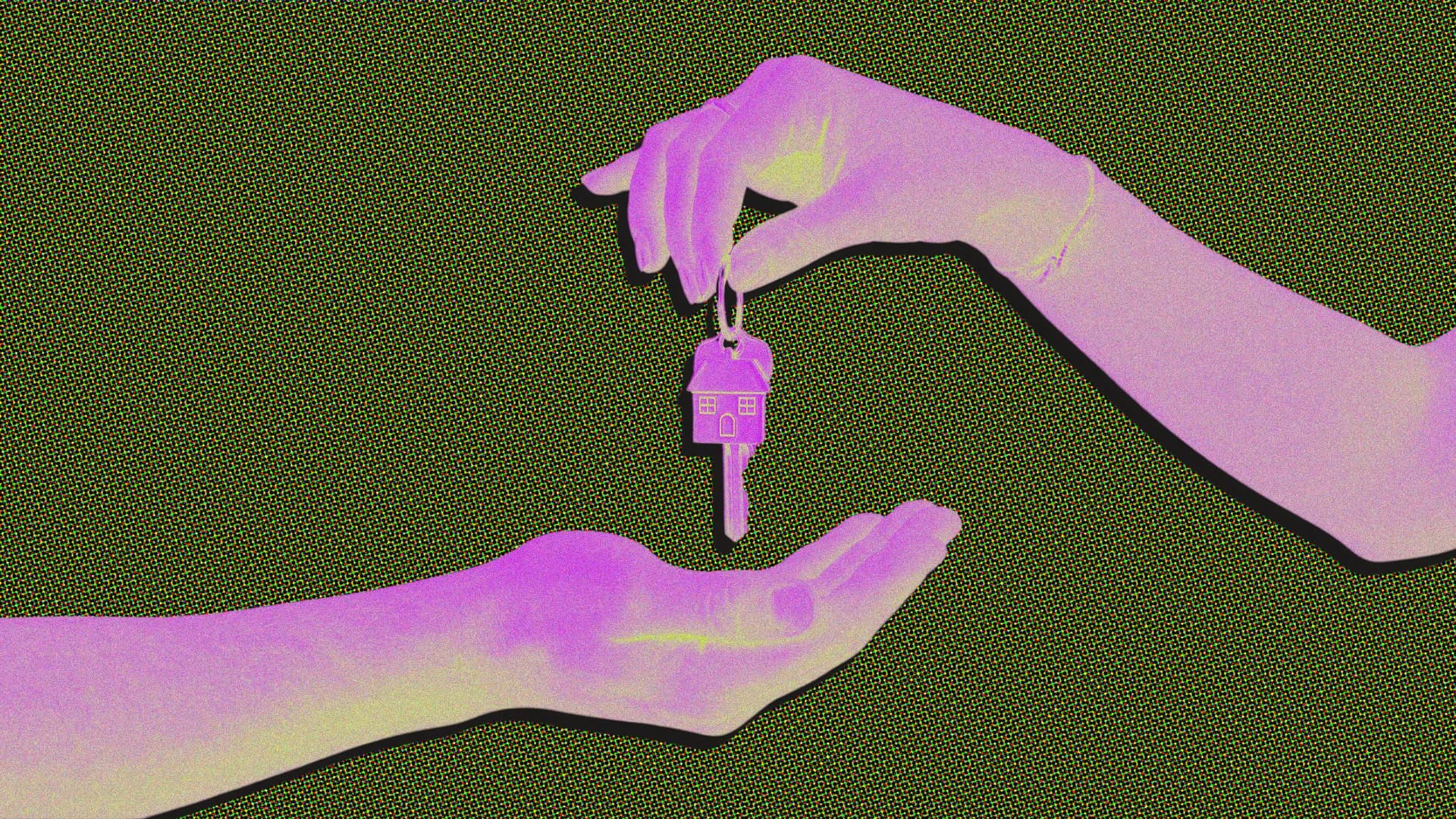
Nearly one in four Americans live under homeowners association governance, according to industry data cited by Fast Company, with the trend accelerating as about 82 percent of recently sold homes now include HOA membership. What began in the 1960s as a mechanism to protect property values has evolved into a significant layer of local governance controlling everything from common area maintenance to enforcement of community covenants. For Nashville-area homeowners considering properties in HOA-governed communities—whether in developing suburbs or newer condo complexes—understanding this governance structure has become essential to making informed real estate decisions.
Homeowners nationwide report significant dissatisfaction with HOA operations, with surveys showing that 54 percent encounter challenges and 70 percent would not purchase in an HOA community again. The primary complaints center on inconsistent rule enforcement, poor communication, and excessive fees. The U.S. Census Bureau reports the national median monthly HOA fee is $135, though approximately 3 million homeowners pay over $500 monthly, with half of surveyed homeowners reporting recent fee increases. Financial strain is severe enough that 51 percent of HOA residents have made sacrifices to afford dues, including 30 percent drawing from retirement savings.
TrueHOA, founded by Jonathan Gropper and Jonathan Waldman following their own frustrating experience with board elections and financial transparency, offers a digital platform designed to create verifiable records of HOA governance. The platform costs $6 annually per home and provides transparent tracking of voting eligibility, ballot submission, tallying, and board decisions—areas Gropper argues receive less accountability than school field trips. Beyond the software, the company developed a free Verified Governance Specialist certification to equip volunteer board members with systems and expertise for managing elections, finances, and communications reliably.
While some industry observers caution that problem HOAs represent exceptions rather than the rule, the scale of homeowner dissatisfaction suggests systemic issues warrant attention. According to property developers interviewed by Fast Company, the core challenge stems from insufficient expertise and limited volunteer participation rather than deliberate misconduct. For Nashville property owners, especially those in newer mixed-use developments or master-planned communities, the emergence of governance platforms like TrueHOA reflects growing recognition that HOA oversight—long considered routine—requires professional-grade transparency and accountability measures.