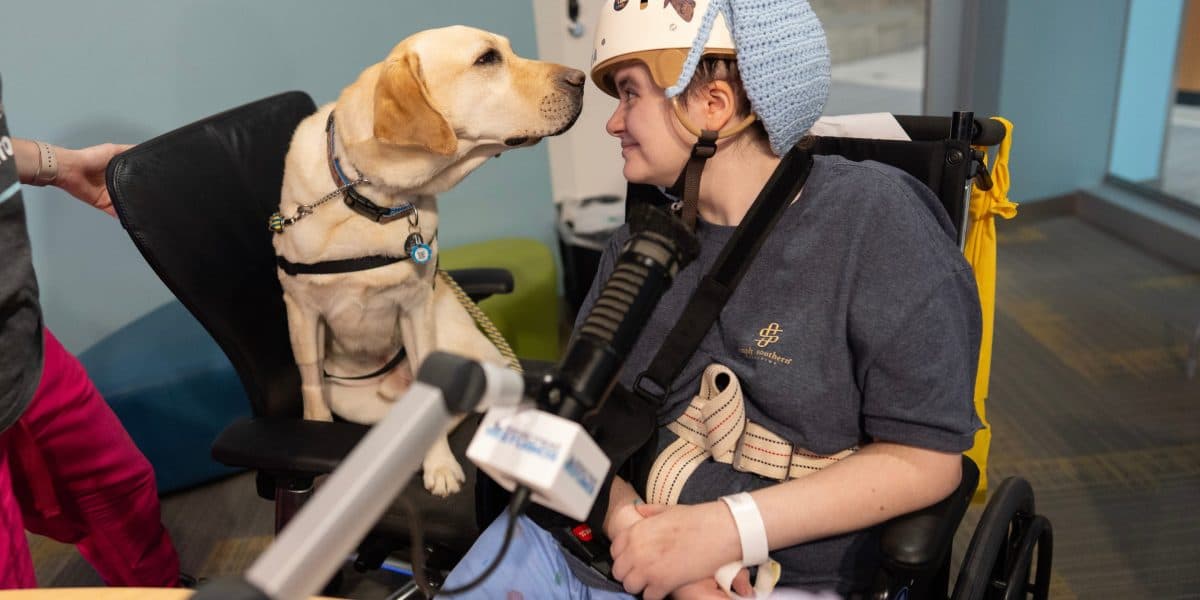
Photo via Fortune
Healthcare facilities across the country, including several in the Nashville region, are turning to an unexpected ally in patient care: trained facility dogs. A growing body of scientific research demonstrates that these animals provide measurable therapeutic benefits beyond companionship, particularly for pediatric patients navigating the stress and anxiety of hospitalization.
According to recent findings cited by Fortune, even brief interactions with facility dogs can meaningfully improve children's overall well-being during medical treatment. The mechanism appears multifaceted—dogs provide emotional comfort, reduce cortisol levels, and create moments of normalcy in an otherwise clinical environment. For Nashville-area hospitals managing high volumes of pediatric cases, integrating animal-assisted therapy represents both a compassionate care enhancement and a data-backed clinical intervention.
The financial and operational case for hospital dogs extends beyond patient satisfaction metrics. Healthcare administrators recognize that reducing anxiety in young patients can lead to better treatment outcomes, shorter recovery times, and improved family experiences—all factors that influence hospital reputation and patient loyalty in competitive markets like Nashville's healthcare sector.
As Nashville hospitals evaluate their pediatric care programs and patient experience initiatives, facility dog programs merit serious consideration. The investment in trained animals and handler coordination aligns with broader trends toward holistic, patient-centered care that distinguishes leading healthcare organizations in the region.