Photo via FreightWaves
The trucking industry is experiencing a significant regulatory shift that's reshaping how some operators conduct business. According to FreightWaves, as enforcement mechanisms tighten on traditional long-haul trucking, marginal operators are not exiting the market—they're simply relocating to less-scrutinized segments of the industry.
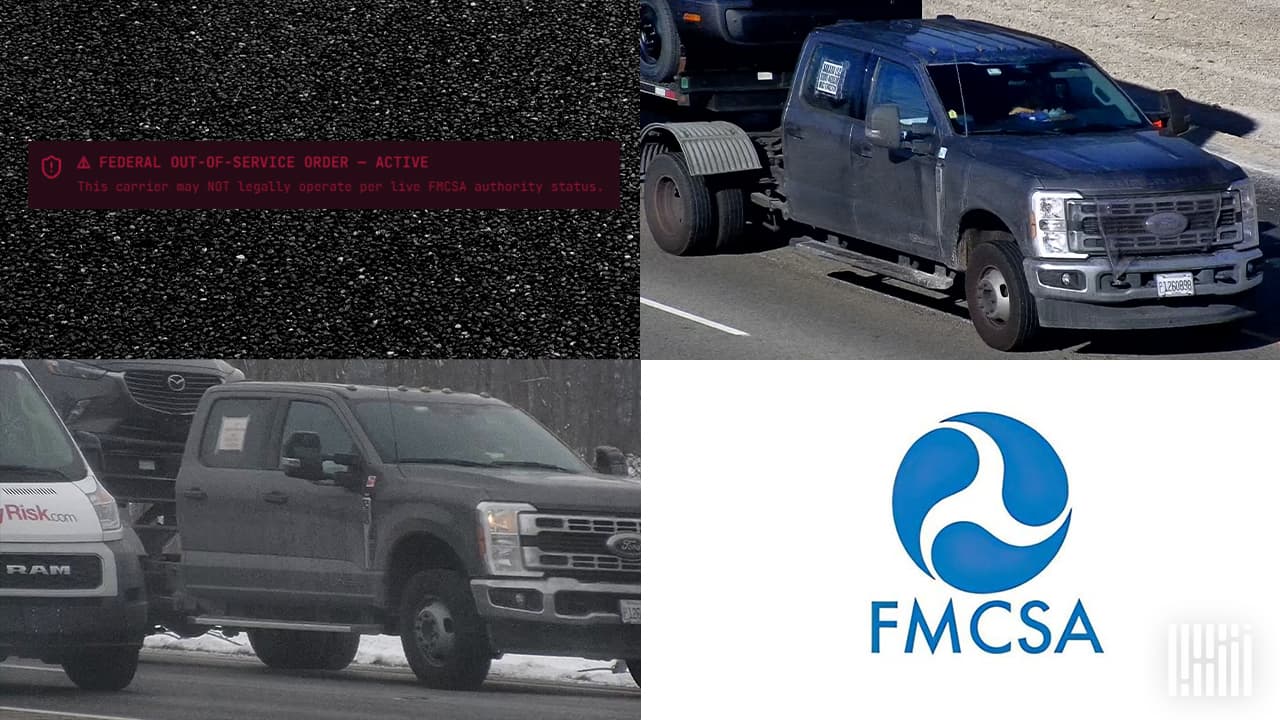
Hotshot trucking and auto transport have become attractive alternatives for operators seeking to minimize regulatory burden. These segments operate with lighter equipment, fewer inspection requirements, and substantially lower insurance costs compared to their long-haul counterparts. For Nashville-area logistics companies competing on legitimate terms, this regulatory arbitrage creates an uneven playing field.
The emergence of what industry observers call 'ghost fleets'—informal networks of vehicles operating with minimal oversight—poses dual challenges for the region's transportation sector. Safety standards may be compromised, and compliant operators face unfair competition from carriers with artificially lower operating costs. This trend underscores the need for industry-wide vigilance and potential regulatory harmonization.
Nashville's robust logistics and distribution hub status makes this issue locally relevant. As the city continues attracting supply chain investment, maintaining regulatory consistency across all trucking segments becomes critical for protecting the reputation and integrity of Tennessee's growing transportation sector.