Photo via The Boston Globe
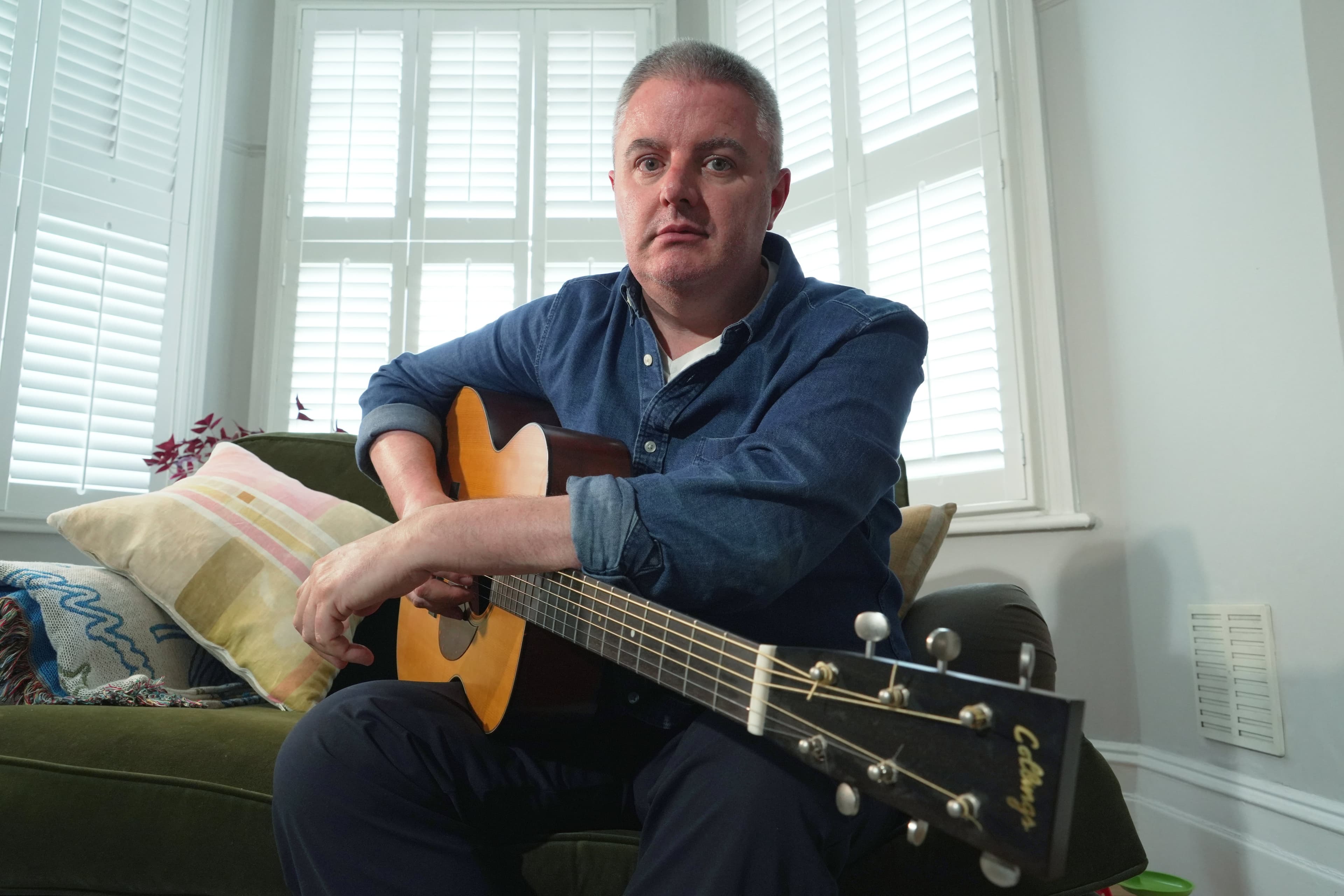
According to The Boston Globe, a London-based singer-songwriter has leveraged artificial intelligence to continue his music production despite the physical constraints imposed by Parkinson's disease. As the degenerative neurological condition progressively limited his ability to play guitar—a core skill in his musical practice—the musician turned to AI tools to maintain his creative output. This development highlights how emerging technology is reshaping what's possible for artists facing health challenges.
For Nashville's music community, this application of AI represents both an opportunity and a broader conversation about accessibility in creative industries. The city's reputation as a hub for musical innovation has traditionally centered on human talent and live performance, but adaptive technologies could expand opportunities for musicians who might otherwise step away from their careers. Local studios and production companies may increasingly encounter similar requests from artists seeking technological solutions to health-related limitations.
The use case demonstrates AI's growing role beyond commercial applications into personal creative expression and accessibility. Rather than replacing musicians, these tools function as collaborative partners that enable artists to realize their artistic vision despite physical obstacles. For Nashville-based producers, engineers, and music tech entrepreneurs, understanding how to implement such solutions responsibly could become a competitive advantage and a way to serve the broader artist community.
As AI capabilities continue to evolve, the music industry faces questions about how to balance technological innovation with artistic authenticity and fair compensation. Nashville stakeholders—from major labels to independent artists—would benefit from exploring how adaptive AI tools might be integrated ethically into production workflows while supporting rather than undermining musicians' livelihoods and creative control.