Photo via Inc.
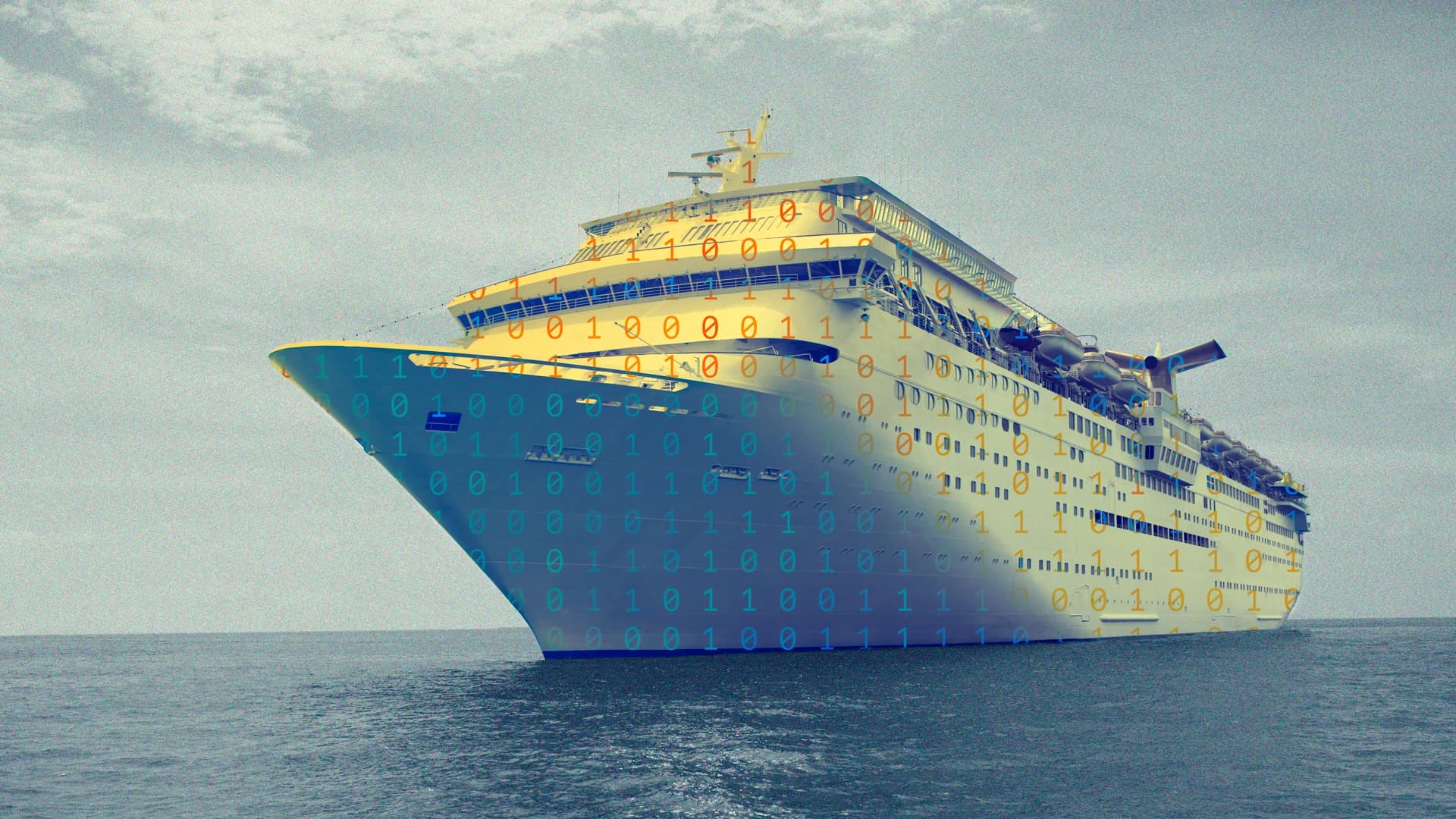
The cruise industry, long considered one of the most human-centric service sectors, is undergoing a quiet technological transformation. According to Inc., cruise lines are increasingly integrating artificial intelligence into operations—from personalized guest recommendations to streamlined service delivery—without generating the resistance many hospitality leaders might expect. This shift signals that travelers are willing to embrace AI when it enhances rather than replaces genuine human interaction.
For Nashville hospitality professionals, the implications are significant. The city's robust tourism and convention industry—including hotels, restaurants, and entertainment venues—operates on similar principles of personalized service. If cruise industry guests are accepting AI-driven improvements, Nashville's hospitality sector should consider how similar technologies might optimize operations, improve guest satisfaction, and differentiate properties in an increasingly competitive market.
The key difference between successful AI adoption and customer backlash appears to be intentionality. Rather than using technology to cut costs or reduce staff, forward-thinking hospitality operators are deploying AI to handle routine tasks, gather guest preferences, and enable staff to focus on high-touch, relationship-building interactions. This model preserves what guests truly value—genuine human connection—while improving operational efficiency.
Nashville hospitality leaders should begin evaluating AI applications in their own operations: reservation systems that learn guest preferences, chatbots handling common inquiries, or predictive analytics for inventory management. The cruise industry's success in this area suggests that transparency about AI use and maintaining strong human service standards can position Nashville businesses as innovative while remaining customer-focused.