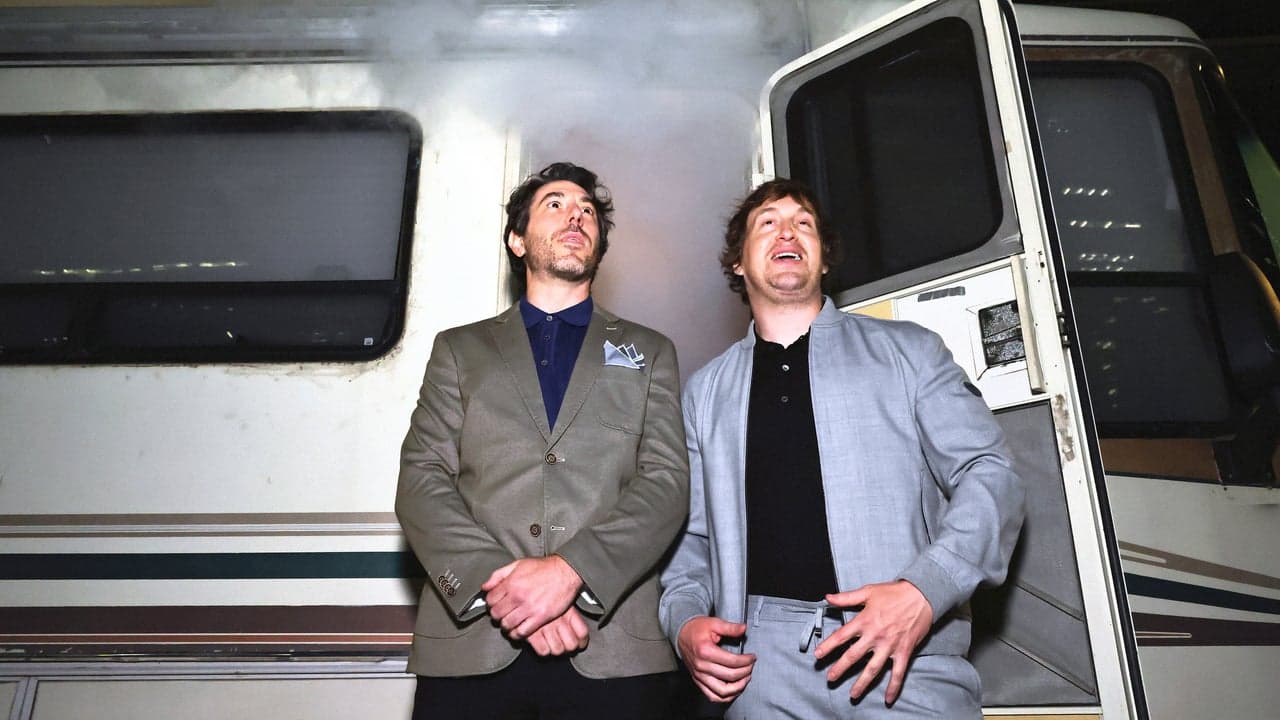
Photo via Fast Company
When John Christensen took over the Rivoli, a 45-year-old Toronto restaurant and concert venue, in 2021, the business faced an uphill climb. Like many hospitality venues nationwide, the pandemic had drained foot traffic and revenue. But Christensen's real challenge was more fundamental: younger generations had largely forgotten what made the Rivoli iconic. The venue had lost cultural relevance despite its storied history hosting The Kids in the Hall and major touring acts.
The Rivoli's unexpected revival came through an unlikely source—a long-running indie comedy project called Nirvanna the Band the Show. Created by filmmaker Matt Johnson and musician Jay McCarrol, the project had featured the Rivoli as its central setting across a 20-year run spanning web series, television, and finally a 2024 theatrical film. When the feature film hit theaters and became a word-of-mouth sensation, fans began flocking to the venue to experience the location from their favorite comedy.
According to Christensen, the timing proved crucial. The film drove significant traffic, with visitors dining at the restaurant before or after screenings and gradually becoming regular customers. The owner implemented staff training on the show's lore and began inviting photo-seekers inside to experience the venue firsthand. This created a bridge between longtime patrons and a younger demographic that had discovered the space through popular culture.
For Nashville hospitality and entertainment venues facing similar relevance challenges post-pandemic, the Rivoli's experience offers a clear lesson: cultural relevance—whether earned through media attention or strategic partnerships—can transform a struggling business. The key is recognizing opportunity when it arrives and capitalizing on it through genuine customer engagement rather than simple tourism transactions.