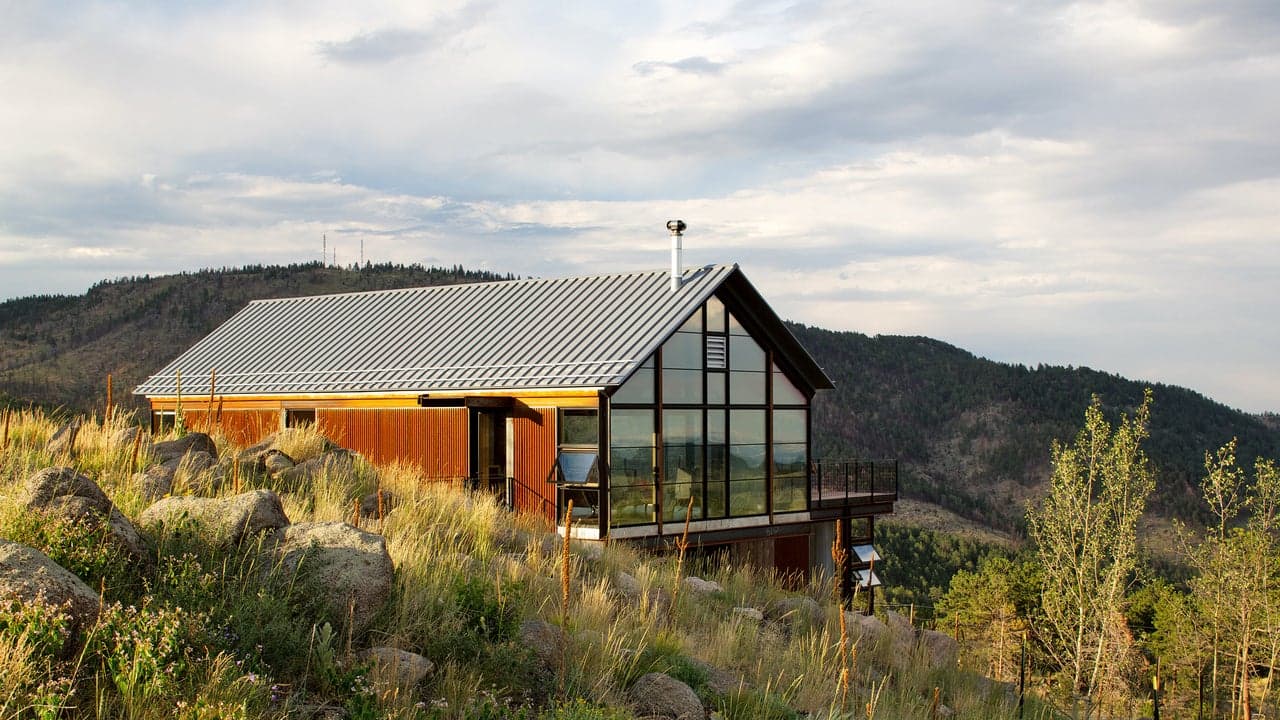
Photo via Fast Company
A Memphis-based design firm's approach to a youth agriculture center in Frayser offers a case study in practical, community-focused architecture. Rather than impose an external design vision, Archimania drew inspiration from the poultry barns dotting the surrounding landscape, creating an award-winning facility that maximized usable space while respecting both budget constraints and regional character. This project exemplifies a broader trend now documented in the new book 'Out There: New Architecture Across America,' which explores how architects nationwide are rethinking design for small towns and rural communities.
According to the book's authors—including Robert Ivy, former CEO of the American Institute of Architects—modern economic pressures are reshaping architectural practice in meaningful ways. With architectural billing declining for 25 consecutive quarters and renovation work now exceeding new construction, firms are prioritizing adaptive reuse and cost-effective solutions. Rather than viewing these constraints as limitations, leading architects are treating resourcefulness as a design principle that yields stronger community outcomes.
The barn has emerged as a recurring architectural form throughout the featured projects, not as nostalgic pastiche but as an efficient building method. Firms like De Leon + Primmer, highlighted in the book for their Wild Turkey Bourbon Visitor Center in Kentucky, emphasize that this approach taps into local construction knowledge and materials while delivering quality results nonprofits and smaller municipalities can actually afford. Their philosophy—'innovation necessarily equals economy'—resonates with Nashville-area developers facing similar budget realities.
For Nashville business leaders and developers, the lesson is clear: constraint breeds innovation. The book demonstrates that exceptional architecture isn't reserved for well-funded metropolitan projects. Instead, smaller community-oriented developments—whether adaptive religious spaces, civic hubs, or agricultural facilities—can become anchors that revitalize neighborhoods and serve multiple purposes. This model offers Nashville firms a competitive advantage in developing projects that deliver genuine community value within realistic financial parameters.