Photo via Inc.
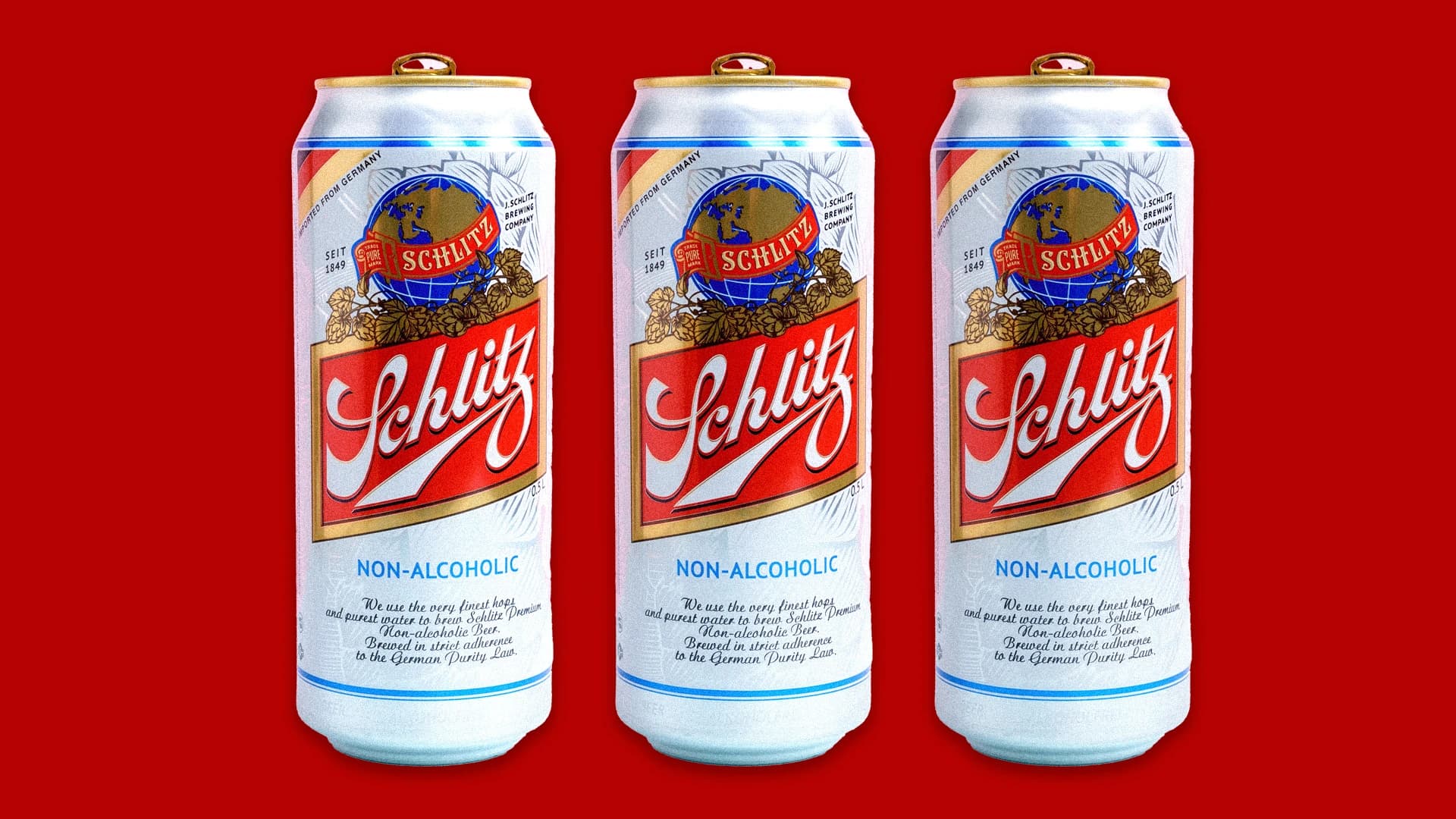
According to Inc., Pabst Brewing Company has announced it will cease production of its flagship Milwaukee lager—a brand that spent nearly two centuries as a symbol of American beer culture and once dominated global markets. The decision marks a significant milestone in an industry facing unprecedented consolidation and changing consumer tastes. For Nashville-area business observers, the closure reflects broader trends affecting regional manufacturers and heritage brands across the Southeast.
The beverage industry has undergone dramatic transformation over the past decade, with craft breweries and premium imports capturing market share from mass-produced domestic beers. This shift has created both challenges for established producers and opportunities for nimble competitors. Nashville's own growing craft beverage scene—from local breweries to distilleries—demonstrates how regional producers are adapting by emphasizing quality, local storytelling, and consumer connection over mass-market volume strategies.
Pabst's struggle illustrates the risks facing any legacy business that fails to evolve with consumer expectations. The company's inability to maintain relevance among younger drinkers and shifting preferences toward craft and imported options reveals how quickly market dominance can erode. For Nashville entrepreneurs and established businesses, the case study underscores the importance of continuous innovation and brand repositioning to survive generational shifts.
The closure also raises questions about manufacturing jobs and regional economic impact in industrial heartland communities like Milwaukee. As legacy industries shutter, attention turns to workforce retraining and economic diversification—challenges that resonate with manufacturing-dependent regions nationwide, including parts of Tennessee's industrial base that are navigating similar transitions.