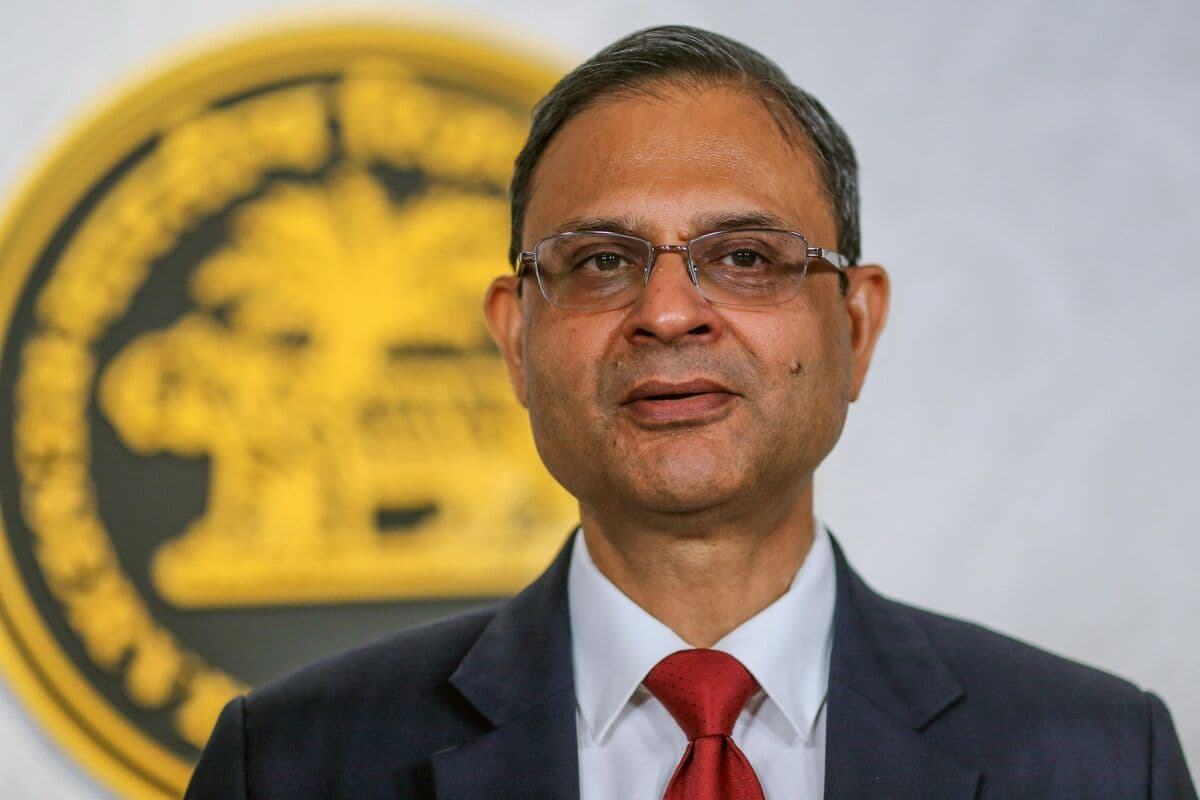
Photo via Bloomberg Markets
India's monetary authorities recently implemented a series of coordinated policy measures designed to stabilize the rupee after it reached historic lows against the U.S. dollar. According to Bloomberg Markets, these actions represent a deliberate strategy to attract foreign capital inflows during a period of currency weakness. The moves reflect how emerging market governments respond to external pressures and shifting global investment patterns.
At the center of these efforts is a reduction in taxation on bond investments, designed to make Indian debt securities more attractive to international investors. By lowering the tax burden on foreign-held bonds, India aims to increase demand for rupee-denominated assets, which in turn supports the currency's value. This approach echoes strategies employed during the 2013 taper tantrum, when the Federal Reserve signaled reduced monetary stimulus and triggered capital outflows from emerging markets.
For Nashville-area investors and businesses with international exposure, India's policy adjustments underscore the importance of monitoring currency fluctuations and emerging market dynamics. Companies with supply chain connections to India or exposure to emerging market investments may experience shifts in costs and returns as the rupee stabilizes. Understanding how central banks manage currency crises can help local investors anticipate broader market movements.
The coordinated nature of India's response—combining central bank policy with government tax measures—demonstrates how policymakers work in tandem during financial stress. These synchronized actions aim to restore confidence among global investors who might otherwise redirect capital elsewhere. For Nashville business leaders tracking international developments, such policy coordination serves as a reminder of the interconnected nature of modern financial markets and the cascading effects of currency movements on trade and investment flows.