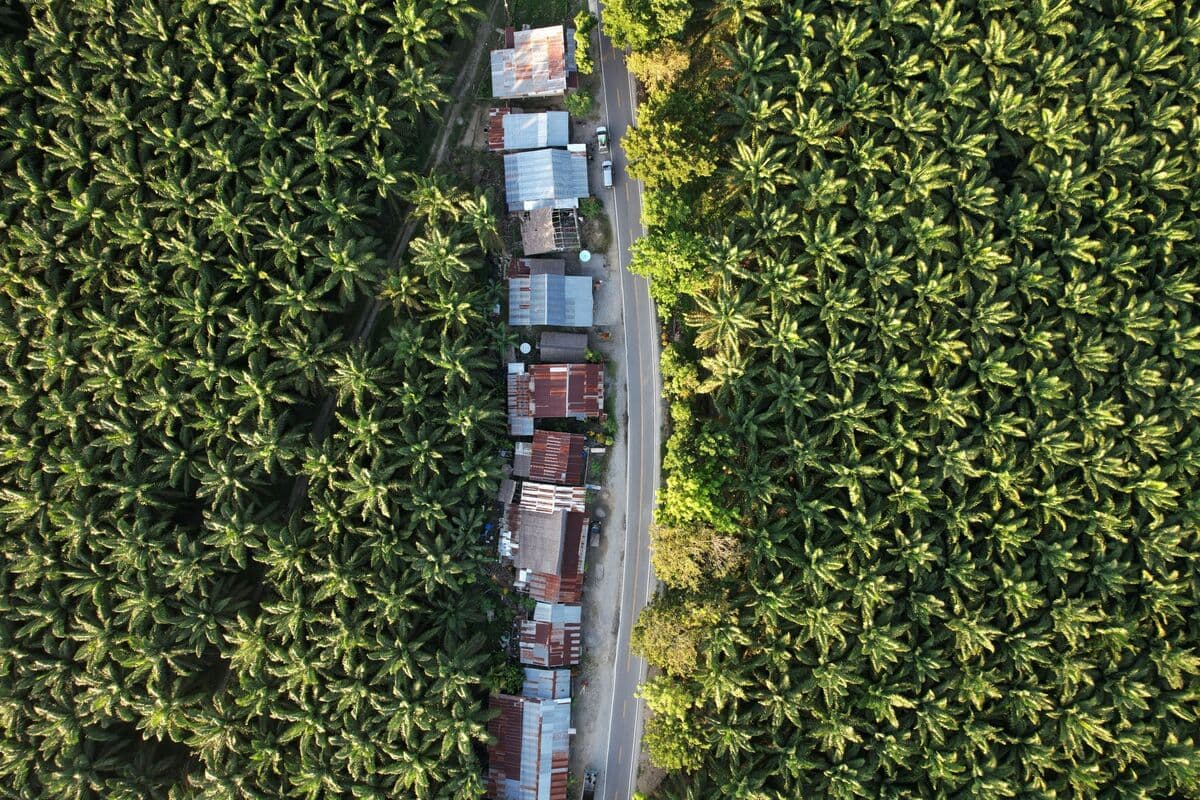
Photo via Bloomberg Markets
Indonesia has announced sweeping changes to its export framework that will regulate the movement of key commodities including palm oil products, coal, and ferronickel, according to Bloomberg Markets. The Southeast Asian nation, a dominant global supplier of these materials, is implementing stricter controls that will affect a substantial portion of its major product categories.
For Nashville-area businesses engaged in international trade, manufacturing, or supply chain management, these regulatory shifts carry potential implications. Companies that source commodities from Indonesia or compete in markets where Indonesian exports play a significant role may need to reassess procurement strategies and pricing models in response to the new export regime.
The palm oil sector will be particularly affected by these controls, with most major palm oil products now falling under the new regulatory framework. This move reflects Indonesia's broader strategy to manage its natural resource exports while balancing domestic needs with international demand.
Businesses monitoring global commodity markets should track how these Indonesian export restrictions influence pricing trends, availability, and logistics costs. Supply chain professionals in Tennessee may want to evaluate alternative sourcing options or adjust inventory strategies to account for potential disruptions in Indonesian commodity flows.