Photo via Fast Company
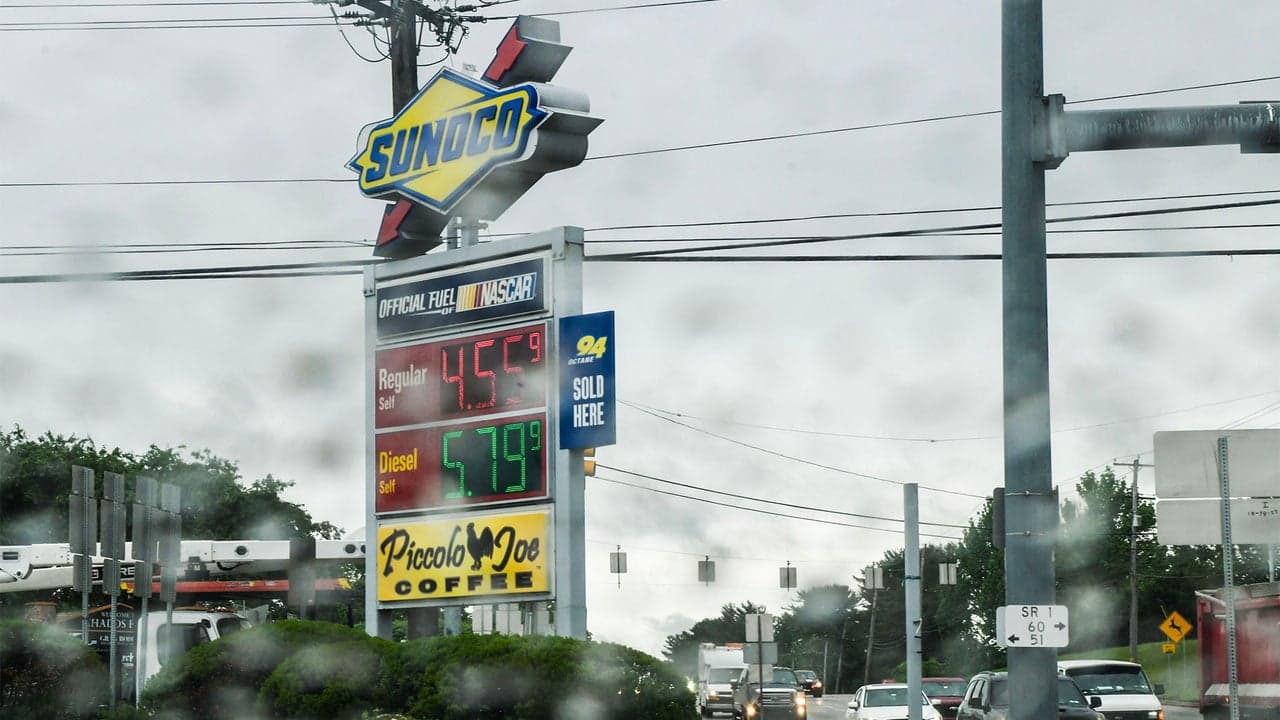
Inflation pressures are extending well beyond gasoline prices, according to recent analysis of May inflation data. While energy costs initially drove price increases, the effects are now rippling through housing, utilities, and discretionary spending categories. For Nashville businesses, this means the underlying cost pressures affecting the national economy will likely impact local operations, supply chains, and customer behavior in the coming months.
The Federal Reserve faces a delicate balancing act. Higher energy prices act like a tax on consumers, reducing purchasing power for restaurants, retail, travel, and other services that depend on discretionary spending—sectors critical to Nashville's economy. At the same time, elevated inflation expectations could force the Fed to maintain higher interest rates longer, increasing borrowing costs for business expansion and capital investments across the region.
Fed Chair Kevin Warsh's first major policy decisions, beginning with the June meeting, will signal how aggressively the central bank plans to address persistent inflation. His messaging about which inflation measures matter most will shape market expectations and borrowing costs that directly affect Nashville entrepreneurs and business leaders planning expansion or refinancing.
Local business leaders should monitor energy prices, wage pressure, and consumer confidence indicators closely. If inflation expectations become unanchored and workers demand higher wages to offset rising living costs, Nashville companies may face margin compression and need to reassess pricing strategies and hiring plans through what could be a prolonged period of economic uncertainty.