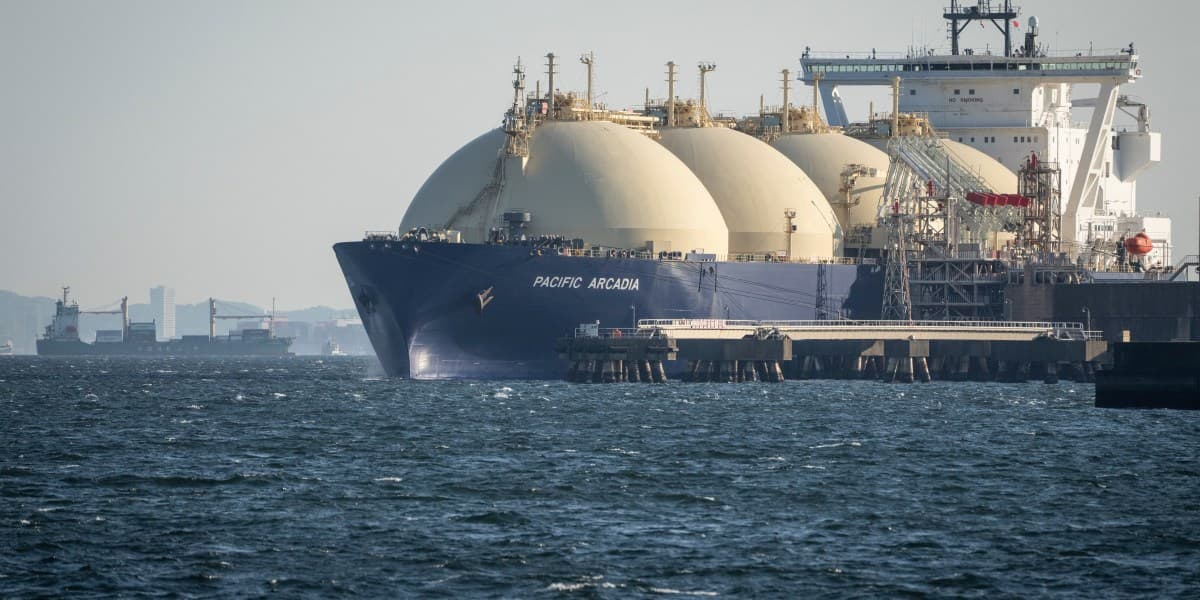
Photo via Fortune
Energy markets face mounting pressure from escalating tensions in Iran, yet financial investors continue to underestimate the risks, according to analysis from leading global business sources. The potential for a second wave of supply disruptions could significantly impact oil prices and energy costs across multiple sectors, from manufacturing to transportation—industries vital to Tennessee's economy.
According to academic experts cited in recent reporting, market participants are exhibiting what some call "wishful thinking," betting that geopolitical conflicts will resolve quickly rather than preparing for prolonged disruption. This complacency could leave businesses and portfolios vulnerable if energy shocks materialize, particularly affecting companies with thin profit margins or heavy energy dependencies.
For Nashville-area businesses, especially those in logistics, manufacturing, and retail distribution, energy price volatility poses real operational challenges. Companies that haven't stress-tested their supply chains or energy cost assumptions against rising geopolitical risk may find themselves unprepared for sudden fuel surcharges or supply constraints that could impact their bottom line.
Regional business leaders should monitor energy markets closely and consider whether their current contingency planning accounts for sustained energy price increases. Diversifying energy sources, locking in favorable supply contracts, and building operational flexibility may prove prudent strategies as global uncertainty persists.