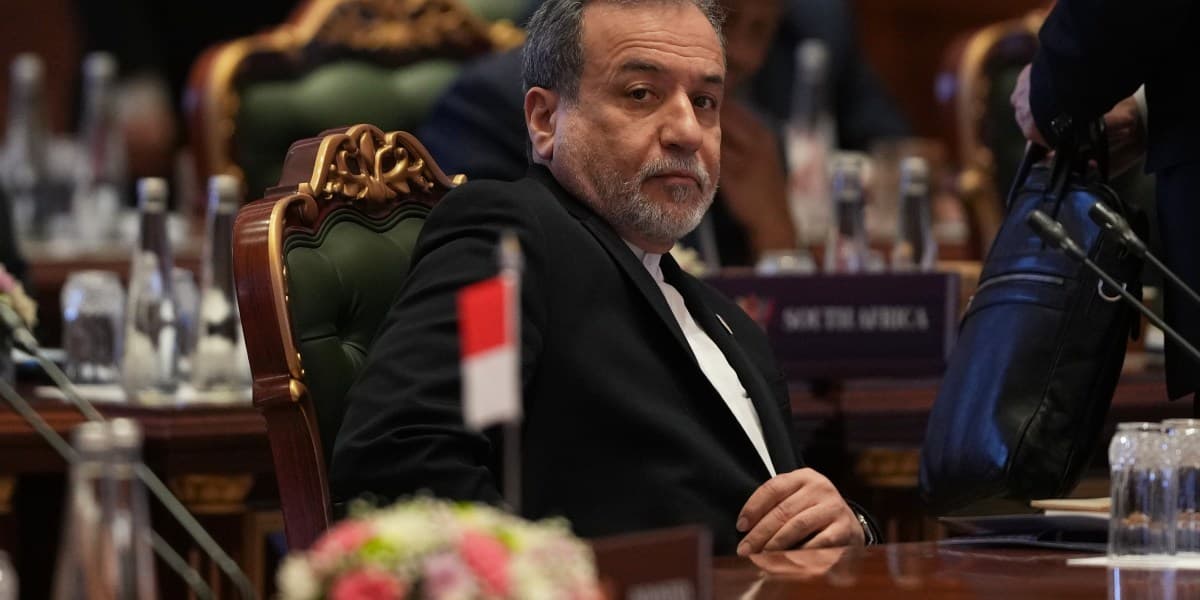
Photo via Fortune
Uncertainty in U.S.-Iran diplomatic relations is creating volatility in international markets, a development with potential ripple effects for Nashville-area businesses engaged in global trade. According to Fortune, Iranian Foreign Minister Abbas Araghchi has expressed skepticism about the consistency of American negotiating positions, citing what he characterizes as conflicting signals from U.S. officials.
The mixed messaging from Washington has created hesitation on the Iranian side regarding the genuine intentions behind current negotiations. Such diplomatic ambiguity typically leads to increased market volatility, particularly in energy sectors where price fluctuations can impact transportation, logistics, and manufacturing costs—sectors with significant Nashville representation.
For Nashville businesses with international supply chains or energy-dependent operations, geopolitical uncertainty of this nature warrants attention. When major trading partners and policy makers send contradictory signals, it can affect currency markets, commodity prices, and investment decisions that ripple through regional economies.
Companies operating in Nashville's logistics, manufacturing, and energy sectors should monitor ongoing diplomatic developments between the U.S. and Iran, as policy shifts could influence fuel costs, shipping rates, and market access. Business leaders may want to reassess international exposure and diversify supply chain strategies to mitigate risks associated with unpredictable trade relationships.