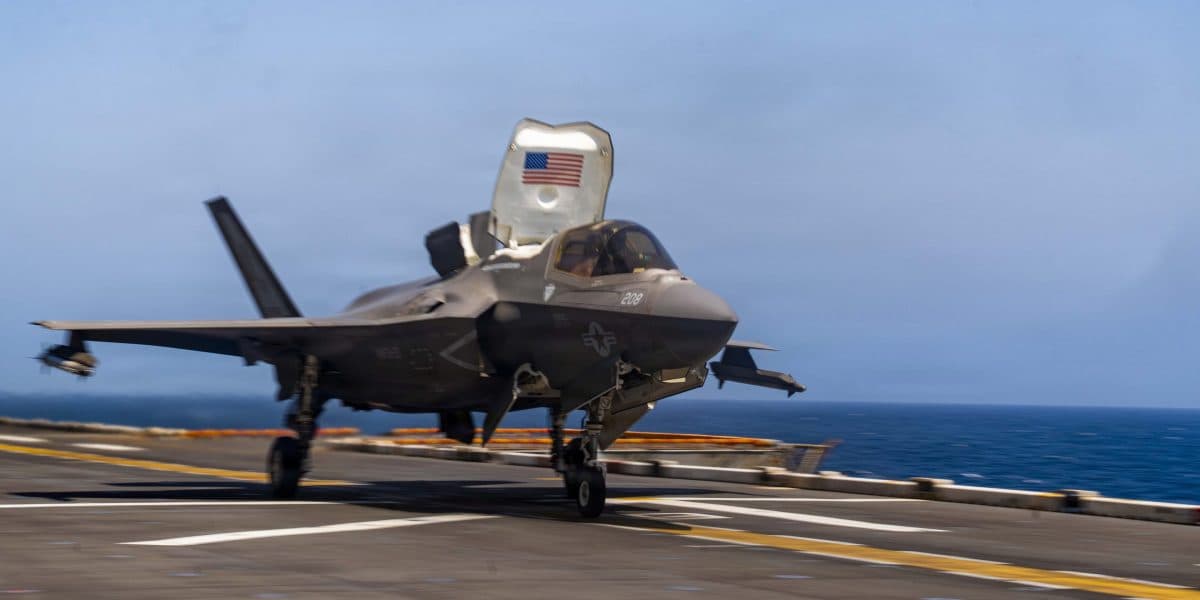
Photo via Fortune
According to Fortune, geopolitical experts warn that Iranian leadership remains deeply suspicious of U.S. ceasefire proposals, despite what appears on the surface to be favorable terms for Tehran. This paradox—where more generous negotiating positions generate greater distrust rather than progress—reveals the fundamental breakdown in diplomatic trust between the two nations.
The core concern from Iran's perspective is that conciliatory U.S. positions may represent a strategic pause rather than genuine de-escalation. Analysts suggest Tehran fears that apparent agreements could serve as cover for military action either immediately or within a 30-day window, creating a dangerous cycle where peace offerings actually heighten regional instability.
For Nashville-area businesses, particularly those in logistics, energy, and manufacturing sectors dependent on Middle East trade routes and oil market stability, geopolitical uncertainty directly impacts operational costs and supply chain planning. Fluctuating energy prices and shipping delays tied to regional conflict create budgeting challenges for companies across the Southeast.
The situation underscores how international diplomatic failures can have tangible effects on local business environments. Companies should monitor developments closely and consider diversifying supply chains where possible, as prolonged tensions could further disrupt global markets that support Nashville's connected economy.