According to reporting from The New York Times, Iran has renewed military actions targeting commercial vessels transiting the Strait of Hormuz, with attacks on two ships reported Wednesday. The strategic waterway, through which roughly one-third of global maritime trade passes, is experiencing significant traffic slowdowns as shipping companies reassess routes and security protocols.
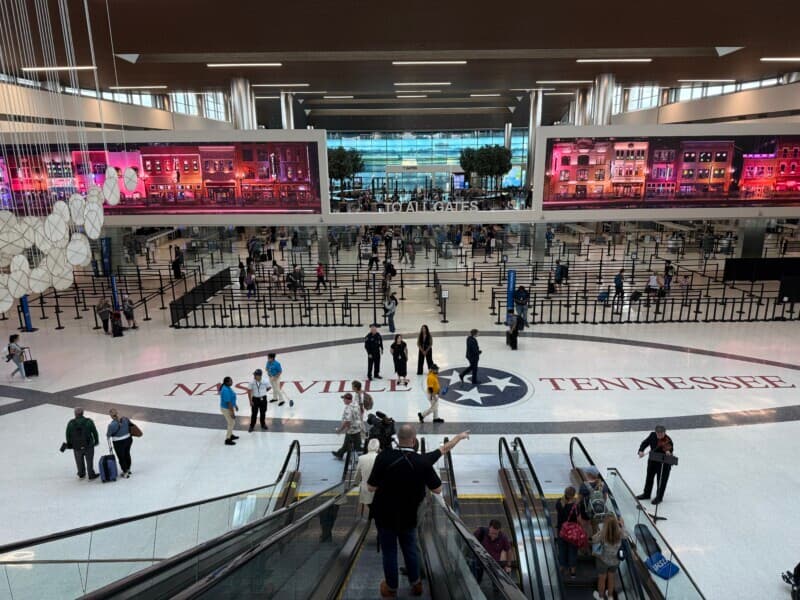
For Nashville-area businesses dependent on global supply chains—particularly in manufacturing, retail, and distribution—disruptions to Hormuz shipping create immediate cost pressures. When major maritime chokepoints face interference, shipping rates typically spike, and delivery timelines extend, forcing logistics managers to seek alternative routes or absorb increased operational expenses.
The escalating situation has geopolitical dimensions that extend beyond immediate shipping concerns. More than 300 vessels with Iranian connections have navigated the strait since the conflict began, according to The New York Times, suggesting the standoff shows no signs of rapid resolution. This prolonged uncertainty makes it difficult for supply chain managers to plan inventory and production schedules.
Nashville companies importing goods through major ports or exporting manufactured products should monitor developments closely and consult with logistics partners about contingency planning. Industry observers recommend diversifying shipping routes and reviewing supply chain dependencies on products traveling through Middle Eastern waters as a prudent risk management step.