Photo via Inc.
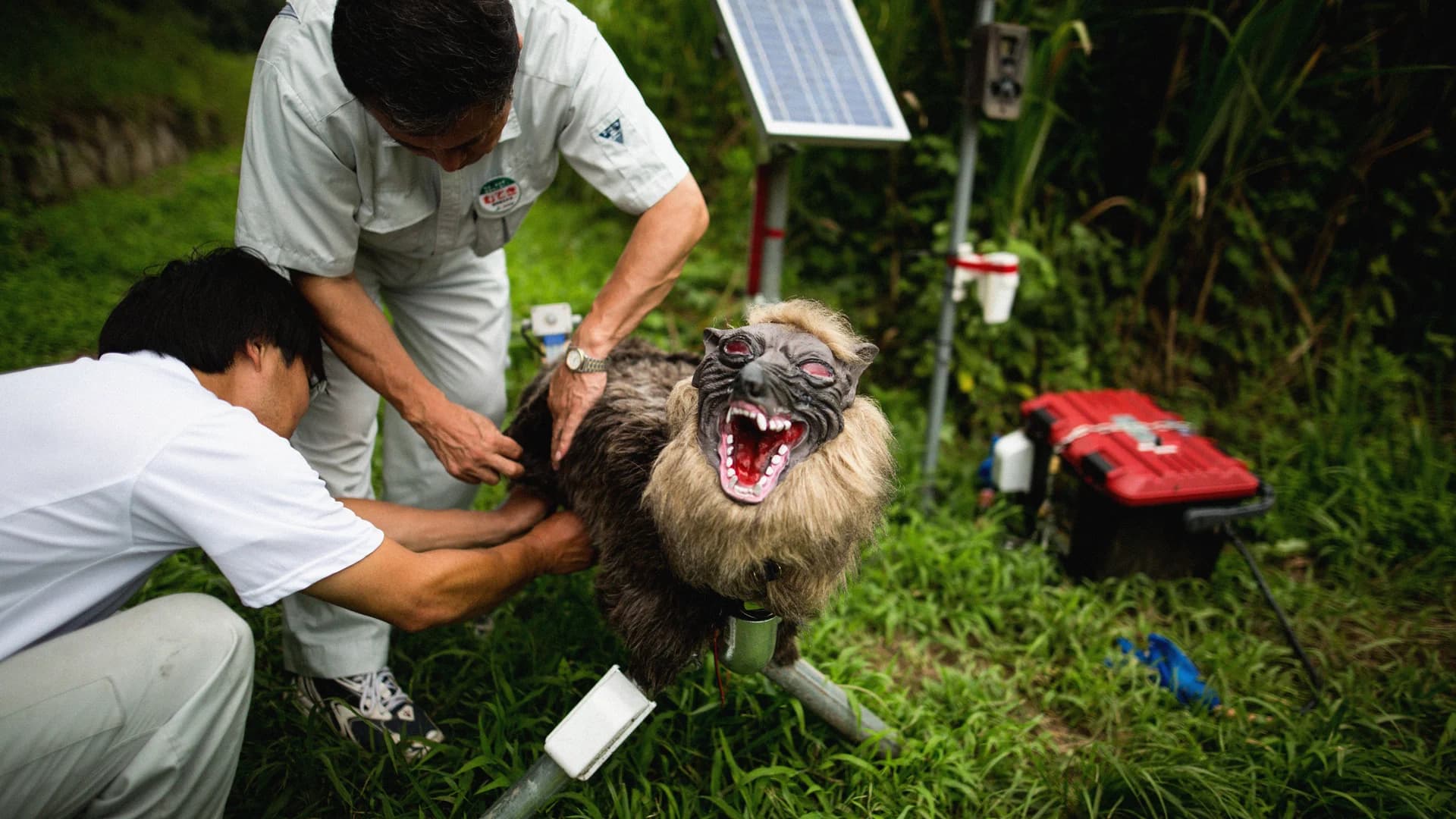
A Japanese company has developed an unconventional solution to wildlife management: a robotic wolf designed to deter bears and other animals from populated areas and agricultural zones. According to Inc., this technology represents a novel approach to a persistent problem faced by rural communities and farming operations worldwide, including those in agricultural regions that share similar wildlife challenges.
The robot, colloquially known as the 'Monster Wolf,' uses realistic appearance and behavior patterns to frighten away bears and other wildlife that threaten crops and human safety. By automating the deterrent function, the technology reduces the need for more dangerous or lethal wildlife control methods, offering communities a humane alternative that can operate continuously without human supervision.
For agricultural businesses and rural communities in Georgia's farming sector, such innovations highlight how robotics and automation technologies are extending beyond manufacturing into specialized applications. The solution addresses real operational costs associated with wildlife damage and safety concerns that impact farm profitability and property management.
As agricultural technology continues to evolve, Nashville-area agribusinesses and rural property managers may find such innovations relevant to their operations. The development signals a broader trend of automation solving region-specific challenges, suggesting opportunities for local adoption of emerging wildlife management technologies as they become commercially available in U.S. markets.