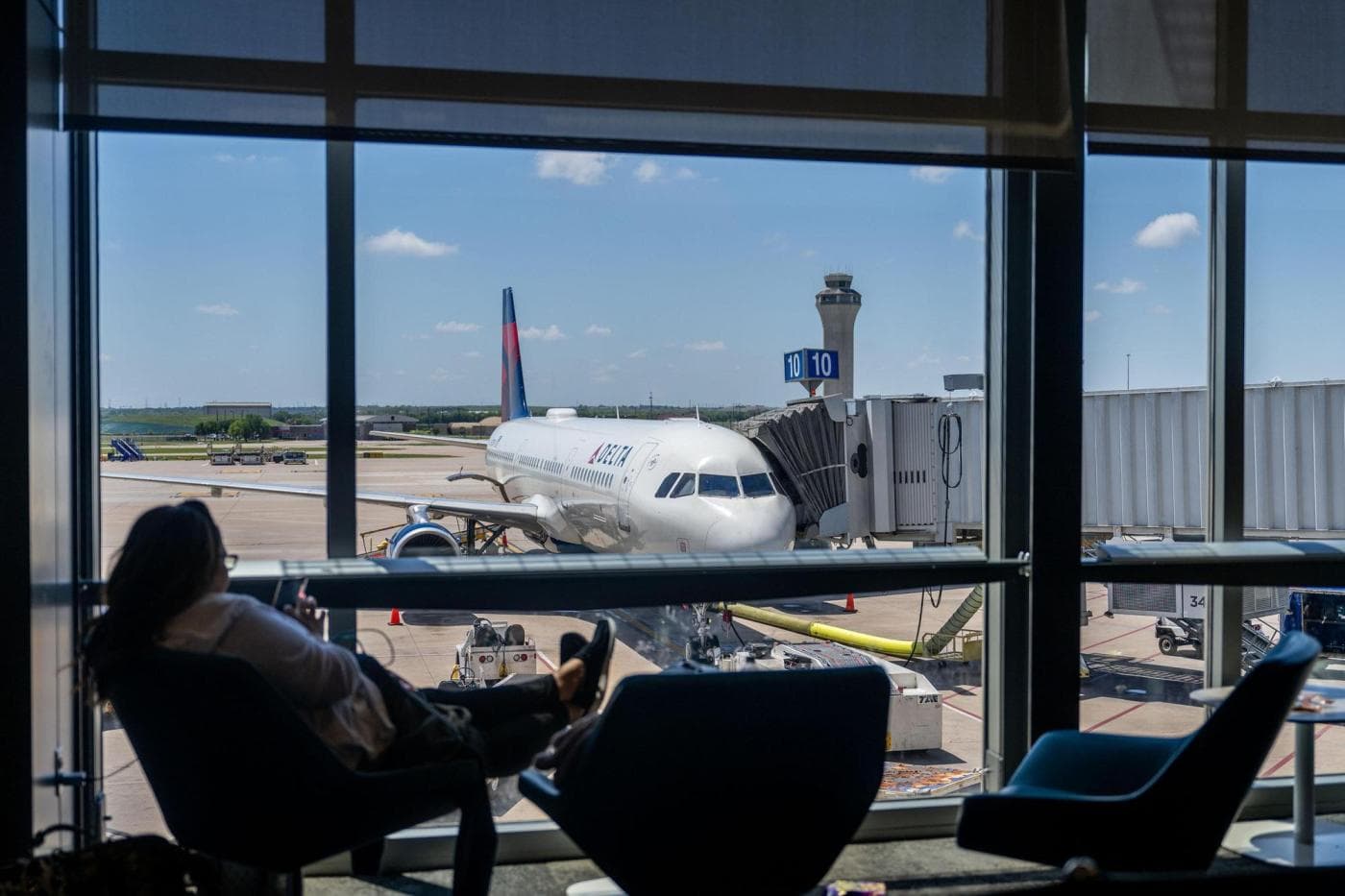
The aviation industry continues to experience significant consolidation as low-cost carriers face mounting financial pressures. According to reporting from the New York Times, JetBlue Airways is capitalizing on market opportunities left by Spirit Airlines' departure, expanding service at airports where Spirit previously operated. This repositioning reflects the carrier's effort to stabilize profitability amid ongoing industry challenges.
For Nashville-area businesses and travelers, airline consolidation trends have direct implications. Regional airports compete for carrier partnerships that determine flight availability, pricing, and connectivity to major business hubs. As larger carriers like JetBlue fill capacity gaps created by weaker competitors, Nashville stakeholders should monitor how these shifts affect air service quality and frequency to key markets.
JetBlue's expansion strategy demonstrates how profitable growth opportunities emerge during industry downturns. By acquiring routes and establishing presence at underserved airports, the carrier addresses pent-up demand while competitors exit the market. This pattern is common in mature industries where scale and operational efficiency determine survival.
Business leaders in Nashville should track ongoing aviation industry changes, as air connectivity directly impacts workforce mobility, client meetings, and supply chain logistics. Understanding which carriers are strengthening or weakening their regional presence helps companies make informed decisions about travel policies and facility location planning in an increasingly dynamic transportation landscape.