Photo via Inc.
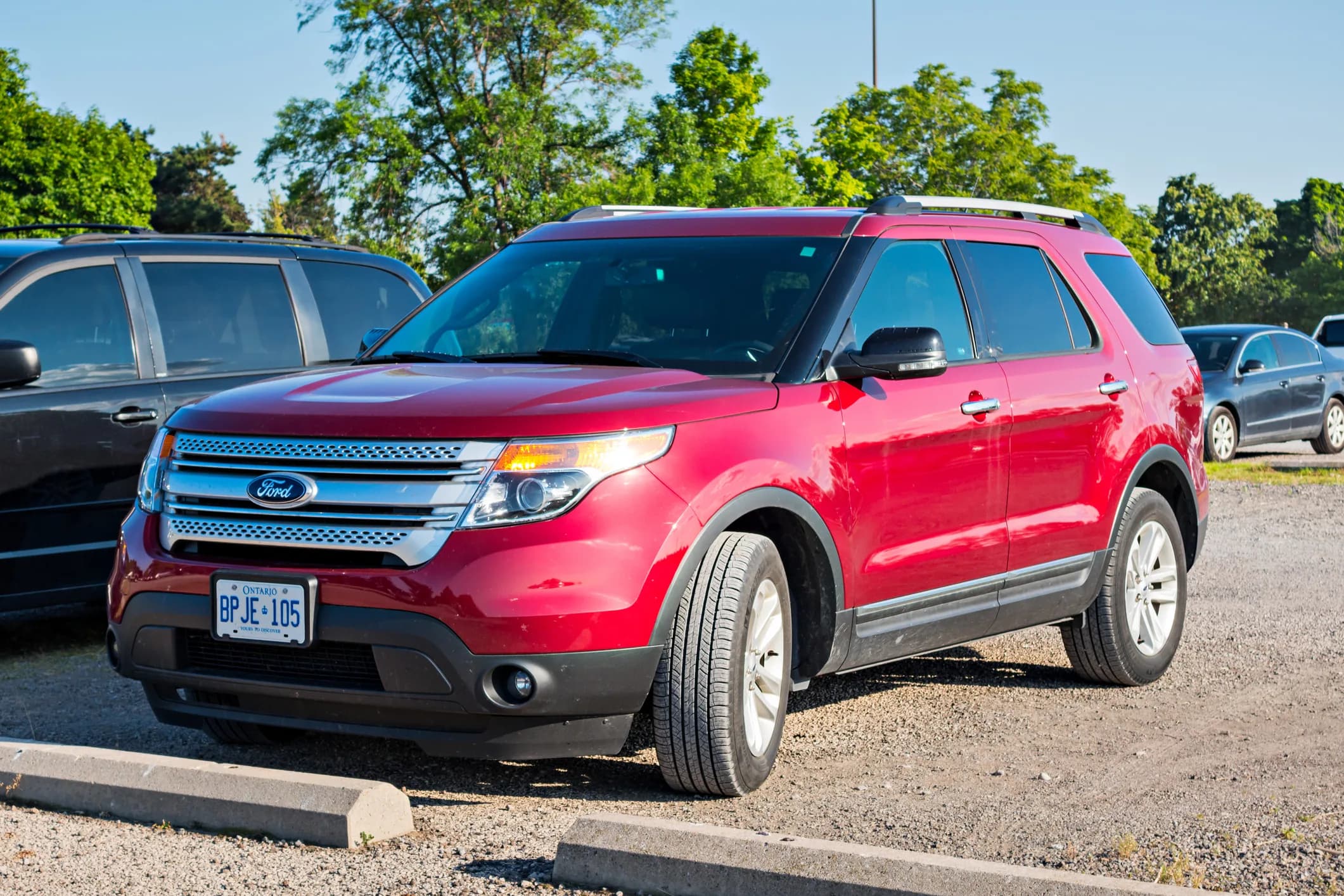
The trend toward vehicle longevity is gaining momentum among American consumers, challenging the traditional auto industry model of regular replacement cycles. What was once considered frugal or out of touch—driving the same car for a decade or more—has become a financially savvy strategy that growing numbers of professionals are adopting. According to Inc., this shift reflects broader economic calculations that favor durability and depreciation minimization over the status signaling of new purchases.
For Nashville-area business owners and professionals, this trend carries particular weight in a regional economy where transportation costs directly impact operational expenses. Whether managing personal fleet vehicles or company transportation, the mathematics of vehicle retention align with principles of fiscal responsibility that resonate across industries. The decision to maintain a reliable used vehicle rather than absorb new car depreciation represents a tangible cost-control measure that affects both individual and organizational bottom lines.
This consumer behavior shift has cascading effects throughout the automotive retail landscape, from dealership sales patterns to the used car market's increasing prominence. Repair and maintenance services, parts suppliers, and mechanical specialists benefit from the extended lifecycle of vehicles in circulation. Regional automotive businesses in Nashville are adjusting their service models and inventory strategies to accommodate customers who view vehicle maintenance as an investment rather than a prelude to replacement.
The normalization of longer ownership periods signals a maturation in how consumers approach major purchases, prioritizing practical value over aspirational consumption. For Nashville business readers, recognizing this trend offers insights into shifting consumer priorities that extend beyond automotive markets—suggesting a broader preference for durability and return on investment across purchasing decisions.