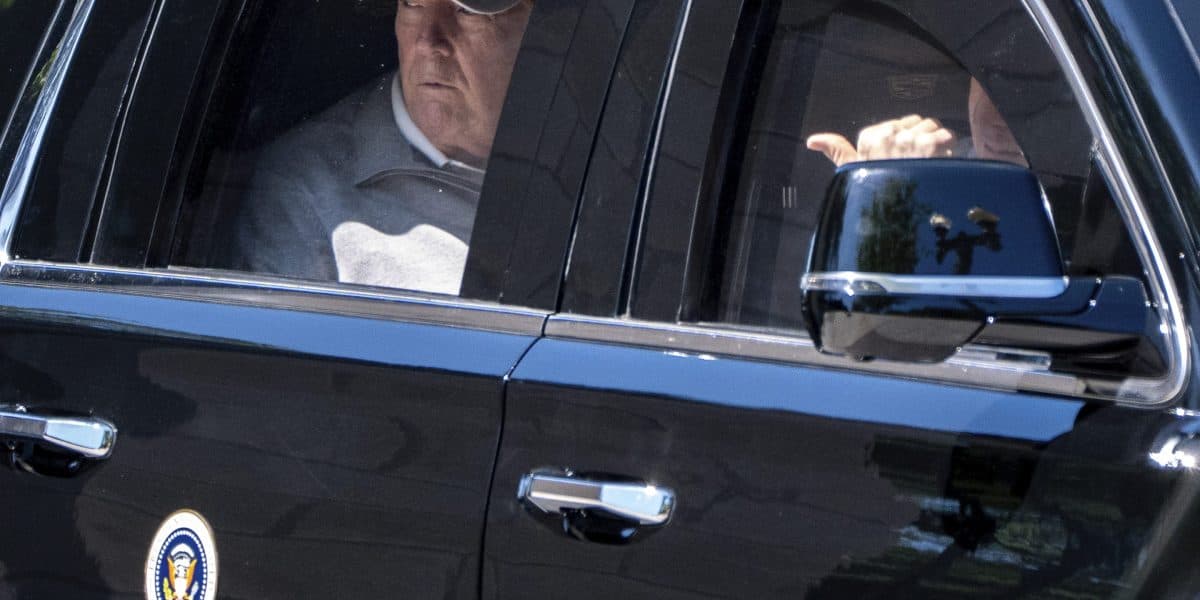
Photo via Fortune
A federal judge's decision to strip a name from the Kennedy Center has ignited debate about the enforceability of naming rights agreements and their vulnerability to legal challenge. According to Fortune, the ruling prompted a swift reversal, with the involved party announcing plans to withdraw from renovation efforts and return operational control to Congress. For Nashville-area real estate developers and property owners pursuing naming sponsorships, the case underscores the importance of ironclad legal frameworks protecting such investments.
Naming rights have long been a lucrative revenue stream for cultural institutions, sports venues, and public facilities seeking private funding for capital projects. However, this Kennedy Center decision reveals that courts may be willing to intervene when naming arrangements conflict with statutory requirements or public policy. Business leaders evaluating partnerships with local Nashville institutions—from convention centers to performance venues—should carefully review how naming agreements interact with existing governance structures.
The broader implications extend to how corporations and individuals structure philanthropic commitments and their associated recognition. When high-stakes naming deals encounter legal obstacles, the fallout can damage relationships between private funders and public institutions, potentially discouraging future partnerships. For Nashville's cultural and business community, maintaining clarity in naming agreements and institutional authority is essential to preserving trust in public-private collaboration.
As disputes over naming rights continue to emerge across the country, stakeholders should prioritize legal due diligence before committing substantial resources. Tennessee-based companies and investors considering similar arrangements are well-advised to engage experienced legal counsel to ensure their interests are protected and naming agreements withstand potential challenges.