Photo via Fast Company
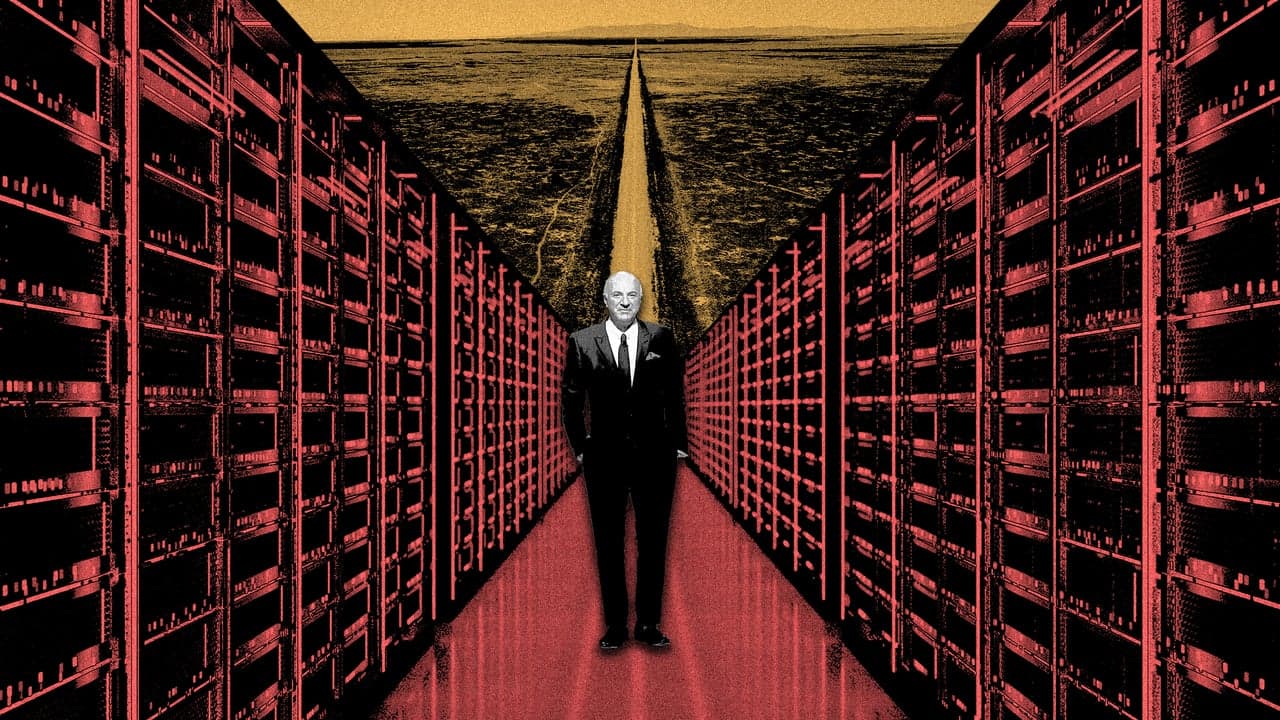
Kevin O'Leary's proposed Stratos data center in Utah—known as Wonder Valley—has captured headlines with its ambitious scope: 40,000 acres and up to 9 gigawatts of power consumption. But energy experts are increasingly skeptical the project will reach completion at anything close to its current scale. According to Sightline Climate, a research firm that tracks hyperscale data center projects globally, the likelihood of Wonder Valley actually materializing sits at roughly 15 percent.
The project comes up short on fundamental development markers that typically signal a data center will actually get built. Despite O'Leary's claims about interested tenants, no signed agreements have been publicly disclosed. Equally concerning: no power contracts have been secured, financing remains unsecured, and the joint venture partner West GenCo has no apparent track record in data center infrastructure. Meanwhile, timelines keep slipping—originally touted for 2027 completion, Phase 1 is now projected for 2026-2028, with full buildout pushed to 2030 or beyond.
Environmental and regulatory obstacles present additional headwinds. The off-grid project has not filed for required air permits with Utah's Department of Environmental Quality, a process that demands a full year of air quality monitoring before applications can even be submitted. State officials have indicated approval could take two years, making O'Leary's claim of online capacity within two years mathematically implausible. This regulatory reality mirrors broader industry trends: Sightline Climate estimates 30 to 50 percent of the data center pipeline planned for 2026 is unlikely to come online by year's end.
Local opposition represents perhaps the biggest threat to Wonder Valley's viability. Utah residents filed nearly 4,000 protests against the project's water rights application, citing drought concerns and threats to the Great Salt Lake. This opposition reflects a national trend: a Gallup poll found 70 percent of Americans oppose AI data centers in their communities. Across the country, over 40 new data center moratorium proposals have emerged in recent months, with industry analysts tracking more than $98 billion in blocked or delayed projects since early 2025.