Photo via Inc.
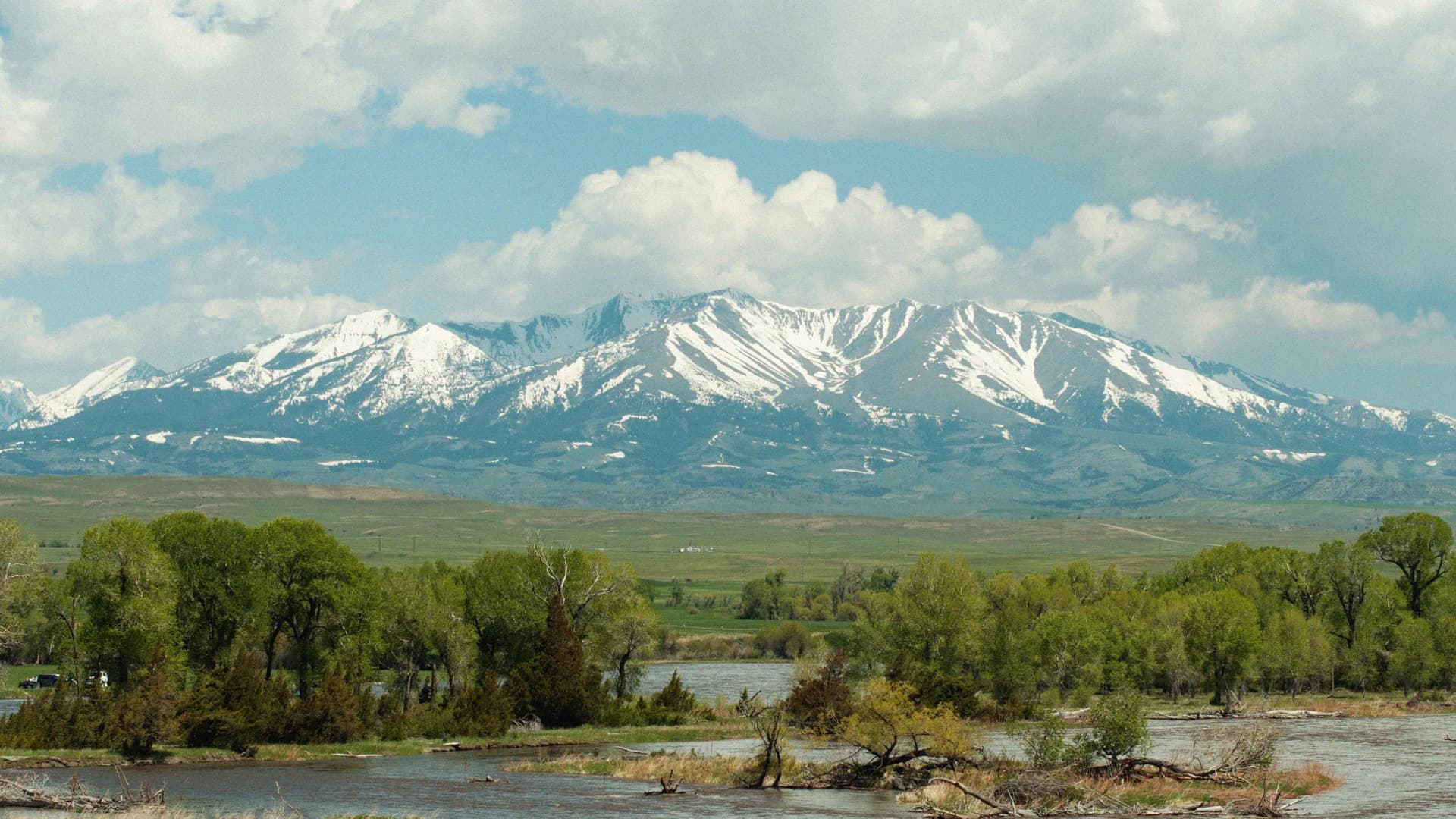
Exclusive resort communities nationwide are increasingly turning to land consolidation strategies that convert publicly-held acreage into private holdings. According to Inc., one ultra-luxury destination resort recently facilitated the movement of 4,000 acres from public ownership into private control, demonstrating how premium real estate developments can reshape land use patterns in their regions.
These transactions often emerge from complex negotiations between resort operators, government entities, and conservation groups. For Nashville-area real estate professionals and developers, the case study underscores the importance of understanding how resort expansion strategies navigate regulatory frameworks and public land policies—dynamics that could influence future development projects across Middle Tennessee.
Local residents and environmental advocates mounted significant opposition to the land swap, highlighting concerns about public access, conservation priorities, and the precedent such deals may set. This friction points to a broader tension in resort communities: balancing private property rights and luxury development against community expectations for land stewardship and public benefit.
Real estate executives and developers in the Nashville region should monitor how these controversial transactions evolve legally and legislatively. The case demonstrates that large-scale land deals now require sophisticated community engagement strategies and transparent communication to navigate stakeholder concerns and maintain public trust.