Photo via WPLN Nashville NPR
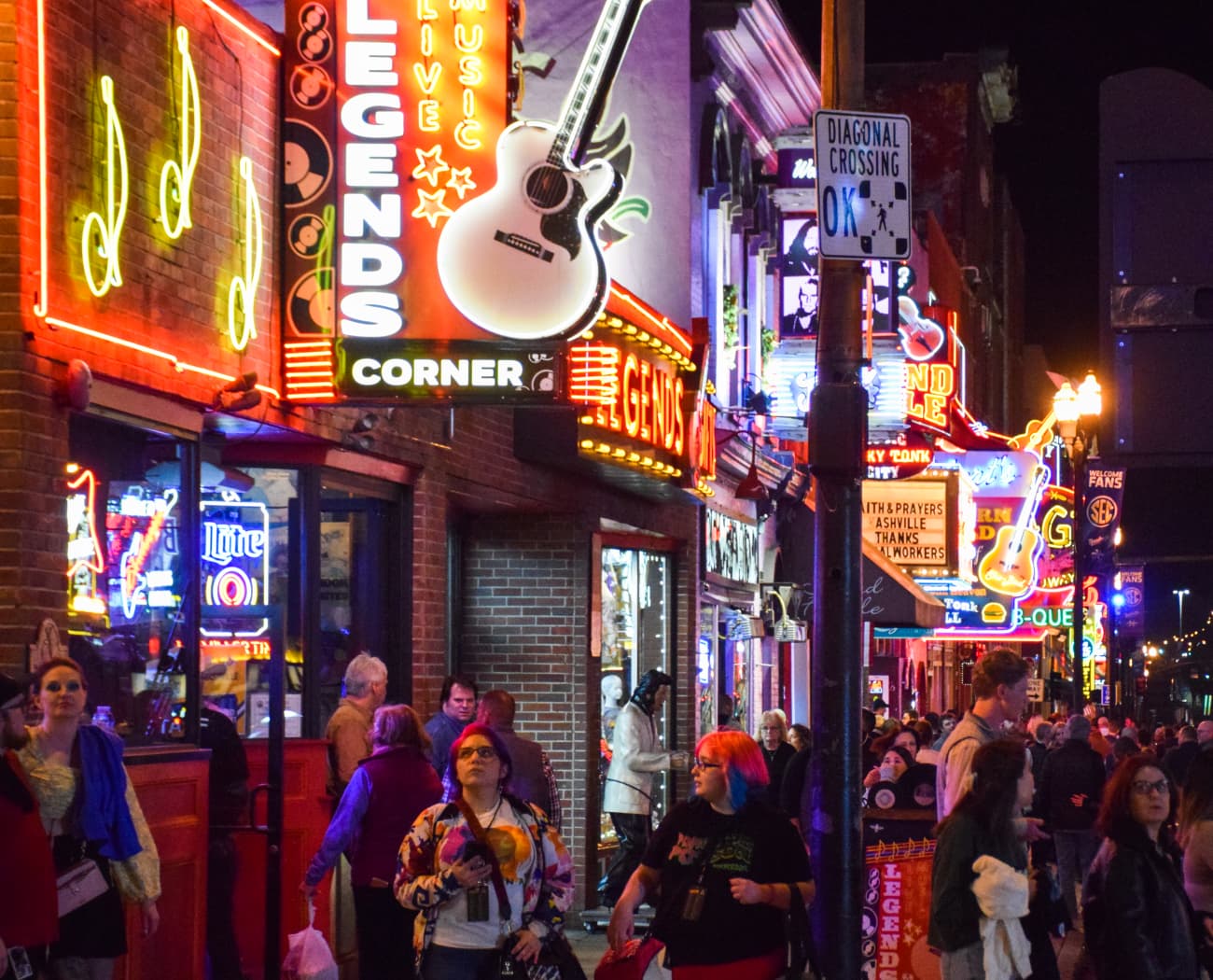
Tennessee lawmakers outside Nashville have pushed for state-level action against a recent tax increase targeting lower Broadway's entertainment venues, but Governor Bill Lee has shown little enthusiasm for scheduling another special session to address the matter, according to WPLN Nashville NPR. The push represents an ongoing tension between Nashville city leadership and Republican legislators who view the tax policy as problematic.
Lower Broadway remains a critical economic engine for Nashville's downtown corridor and tourist economy, making the tax debate significant for local business stakeholders. The honky-tonk venues generate substantial foot traffic, support hospitality workers, and contribute to the city's national profile as a music tourism destination. Any policy affecting these businesses carries ripple effects across the broader entertainment and hospitality sectors.
Governor Lee's apparent reluctance to escalate the issue through a special session suggests he may be weighing the political costs of state intervention in city-level taxation against concerns raised by business interests. For Nashville business leaders, the outcome could influence future tax policy discussions affecting the entertainment district and establish precedent for state oversight of local municipal decisions.