Photo via Newsday
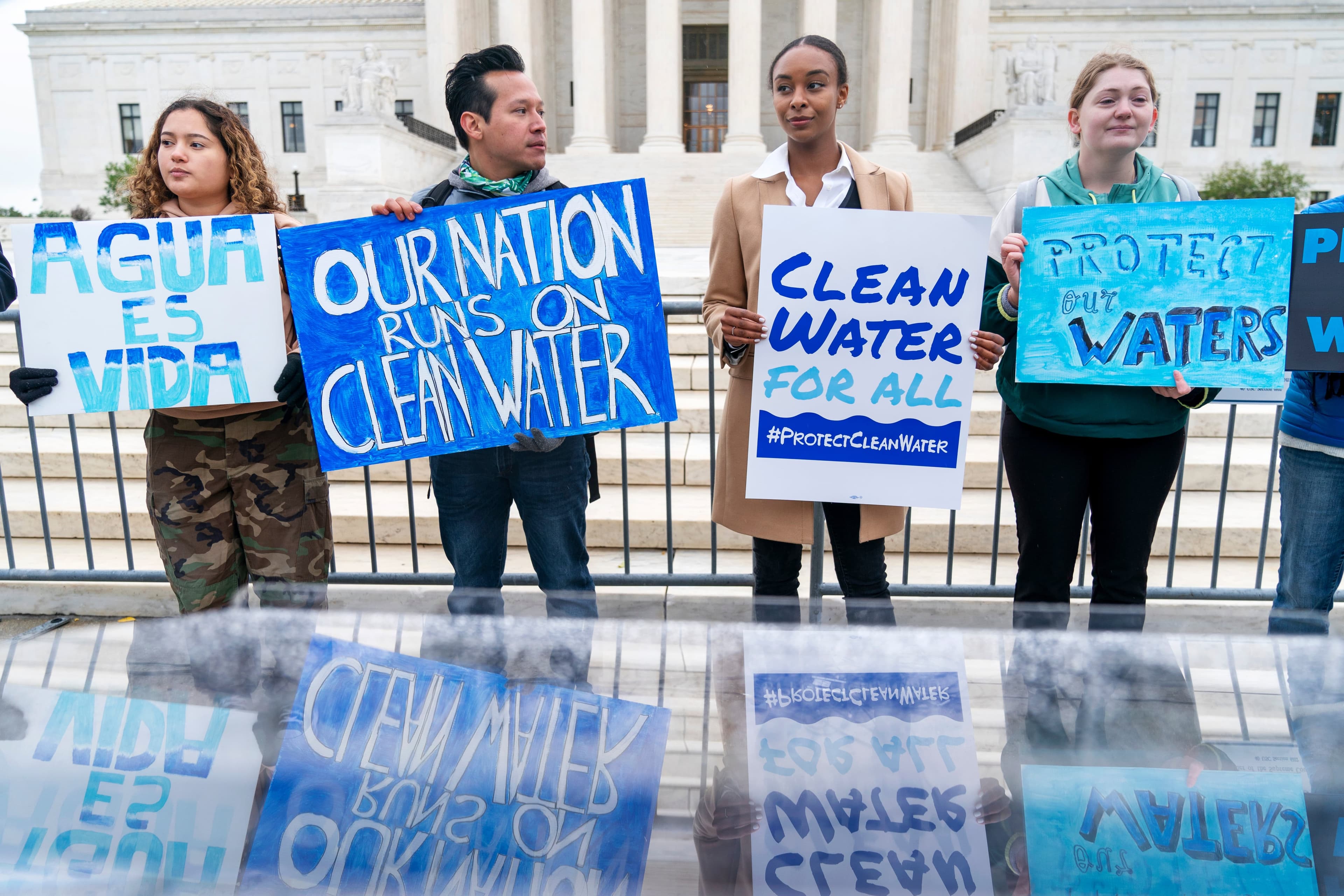
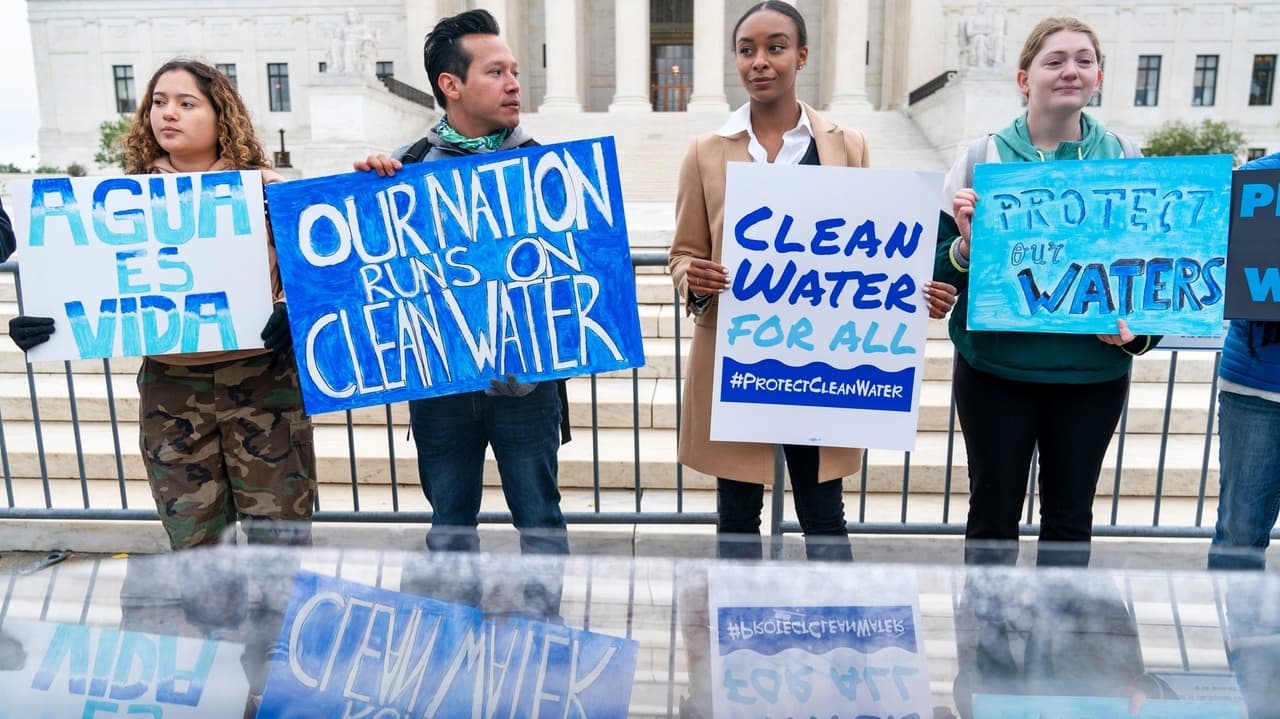
According to Newsday, right-leaning legal activists and Elon Musk's AI company are mounting a challenge to a cornerstone of American environmental law: the ability of private groups and citizens to sue for enforcement of major environmental statutes. This legal strategy could reshape how environmental compliance is monitored and enforced across industries, with potential implications for Nashville-area businesses operating under federal environmental regulations.
The challenge targets the citizen-suit provision—a legal mechanism that has allowed environmental organizations and concerned residents to hold companies accountable for violations of laws governing air quality, water pollution, and hazardous waste. For Nashville businesses in manufacturing, energy, and logistics sectors, this provision has historically created compliance incentives. A successful challenge could shift enforcement responsibility entirely to government agencies, potentially reducing oversight and litigation risk for some companies while emboldening others to challenge existing regulations.
Tennessee business leaders should monitor this legal development closely, as the outcome could affect everything from permitting timelines to compliance costs. If private enforcement mechanisms are weakened, companies may face less pressure from activist lawsuits but could also see less predictable regulatory enforcement from government agencies. The case underscores how national legal trends can directly influence local business operations and competitive dynamics.