Photo via WPLN Nashville NPR
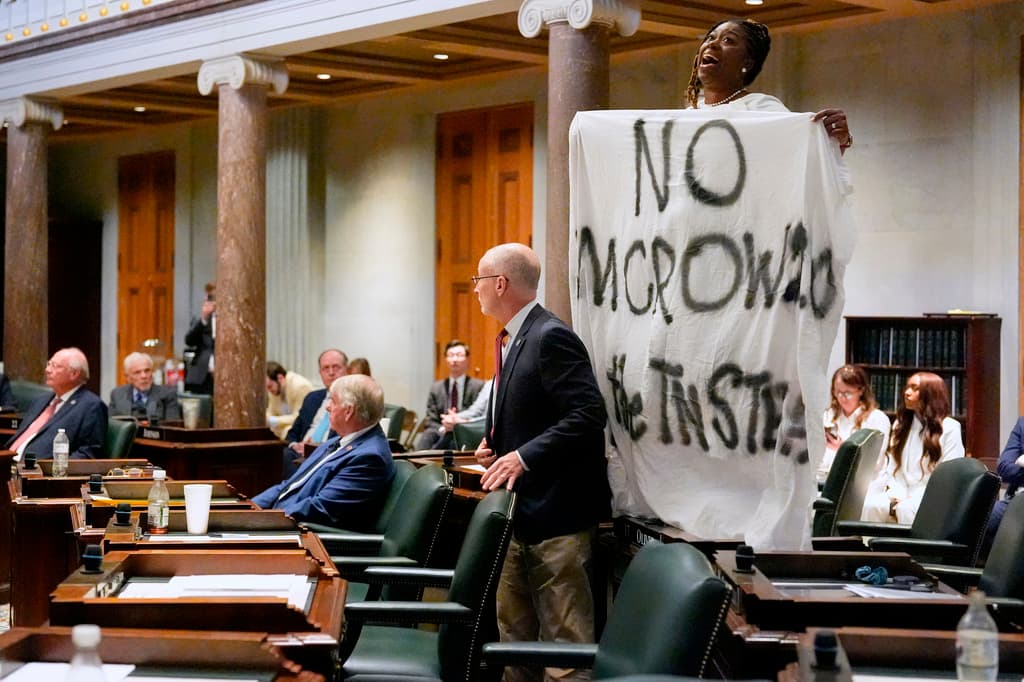
A fundamental question is reshaping discussions within Tennessee's legislative chambers: who holds the authority to establish and enforce the rules governing lawmaker conduct on the House and Senate floors? According to WPLN Nashville NPR, this question has moved beyond theoretical debate into active legislative scrutiny, with local representatives like Sen. Charlane Oliver of Nashville engaging directly in these governance discussions.
The tension between legislative self-governance and external oversight carries significant implications for how Tennessee conducts public business. When lawmakers establish their own internal rules without robust external checks, questions arise about transparency and accountability—matters that Nashville-area business leaders monitor closely as they navigate regulatory environments and legislative advocacy efforts.
Nashville-based representatives have not remained silent on these governance questions. Recent special legislative sessions, including those addressing congressional redistricting, have provided platforms for Democratic lawmakers to challenge procedural authority and advocate for clearer governance standards. These debates reflect broader regional concerns about how state policy decisions are made and who bears responsibility for ensuring legislative integrity.
For Nashville's business community, legislative governance matters directly. Clear, consistent rules governing how lawmakers operate create predictability in the policy process and foster confidence in state institutions. As Tennessee's legislature continues wrestling with questions of self-regulation and accountability, local business stakeholders have a vested interest in outcomes that strengthen public trust in state government.