Photo via FreightWaves
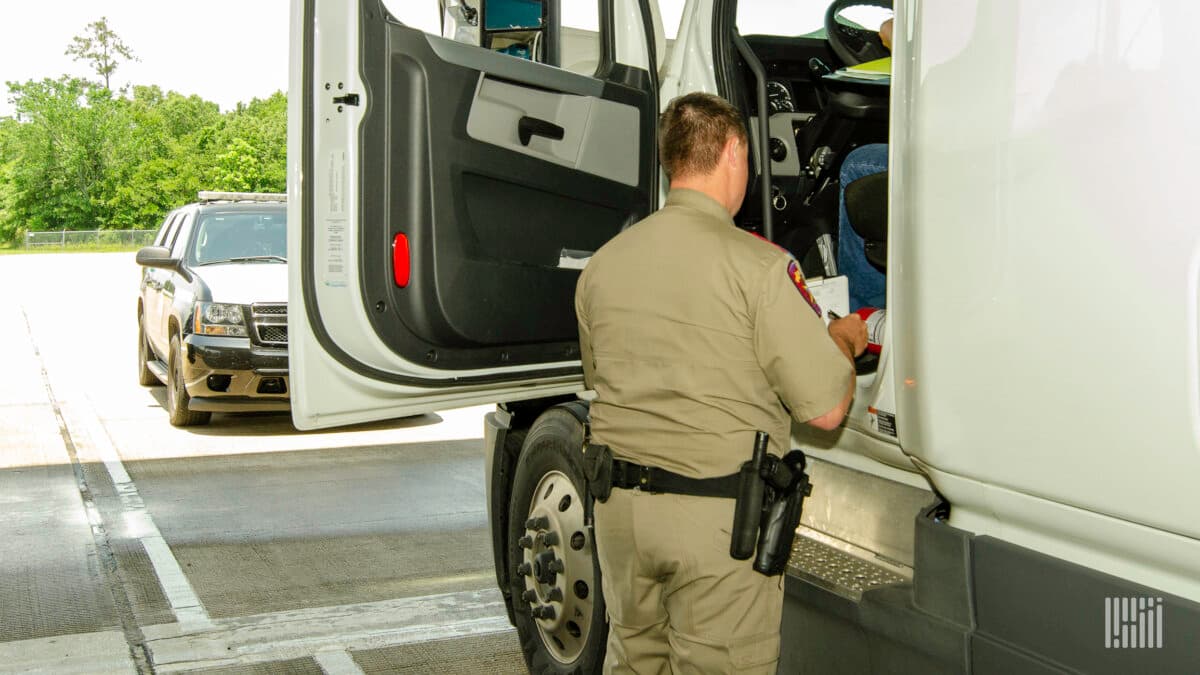
The trucking industry is entering a new enforcement era as roadside camera networks and license plate readers become standard tools for state enforcement officers. According to FreightWaves, a recent incident in Arizona demonstrates how technology is making it increasingly difficult for drivers to hide violations. An officer used a combination of license plate reader data and roadside camera footage to reconstruct a driver's entire multi-state journey, then compared it against the driver's paper logs—revealing significant discrepancies.
For Nashville-area logistics companies and trucking operations, this development carries important implications. Tennessee and surrounding states are investing in similar surveillance infrastructure, meaning local carriers and owner-operators need to ensure their drivers maintain accurate records and comply with hours-of-service regulations. The days of log falsification going undetected are rapidly fading as technology makes driver movements verifiable across state lines.
The shift also reflects broader regulatory pressures on the trucking industry. Federal and state agencies are prioritizing safety and compliance, particularly following incidents involving fatigued drivers. Companies that invest in electronic logging devices (ELDs) and transparent record-keeping practices now have a competitive advantage, as they demonstrate commitment to legitimate operations and worker safety.
Nashville-based transportation and logistics firms should evaluate their compliance protocols now. Training drivers on accurate record-keeping, implementing real-time GPS tracking, and embracing modern ELD systems will help companies avoid costly violations and maintain relationships with regulators. As enforcement technology becomes more sophisticated, transparency is no longer optional—it's essential for business continuity.