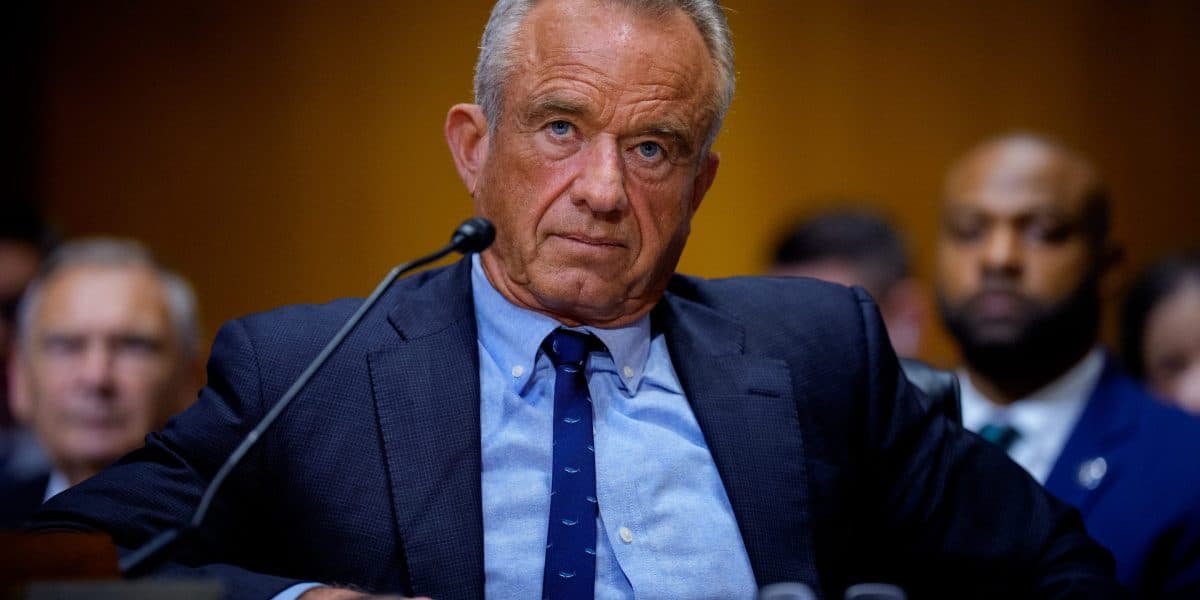
Photo via Fortune
The long-term effects of COVID-19 continue to strain healthcare systems and employer benefit plans across the country, even as government attention wanes. According to Fortune, the federal government has scaled back its commitment to long COVID research and treatment infrastructure, including canceling NIH grants and closing the federal office dedicated to the issue. This withdrawal comes as an estimated 44 million Americans grapple with long COVID symptoms, leaving regional healthcare providers and businesses to shoulder increased costs.
Nashville-area employers are beginning to feel the impact through increased workers' compensation claims, productivity losses, and healthcare expenditures. Long COVID's estimated $8 billion annual cost burden falls disproportionately on private sector organizations as federal support mechanisms disappear. Human resources and benefits managers in Middle Tennessee must now develop internal strategies to manage cases and support affected employees without the safety net of federal resources.
Healthcare providers in Nashville and surrounding regions report clinic closures and reduced capacity for long COVID treatment as federal funding dries up. Hospitals and specialized clinics that expanded services to address the condition now face budget pressures and uncertain funding models. This retreat in institutional support may force patients to seek care through standard medical channels, potentially increasing emergency room visits and reducing access to specialized treatment.
Business leaders in Tennessee should prepare for continued workforce challenges related to long COVID, including extended absences, reduced productivity, and higher insurance premiums. The shift from government-supported research to market-driven solutions suggests employers may need to invest in workplace accommodations and employee health programs independently. Understanding long COVID's economic impact and developing proactive healthcare strategies will be critical for Nashville companies managing talent and controlling healthcare costs in coming years.