Photo via Fast Company
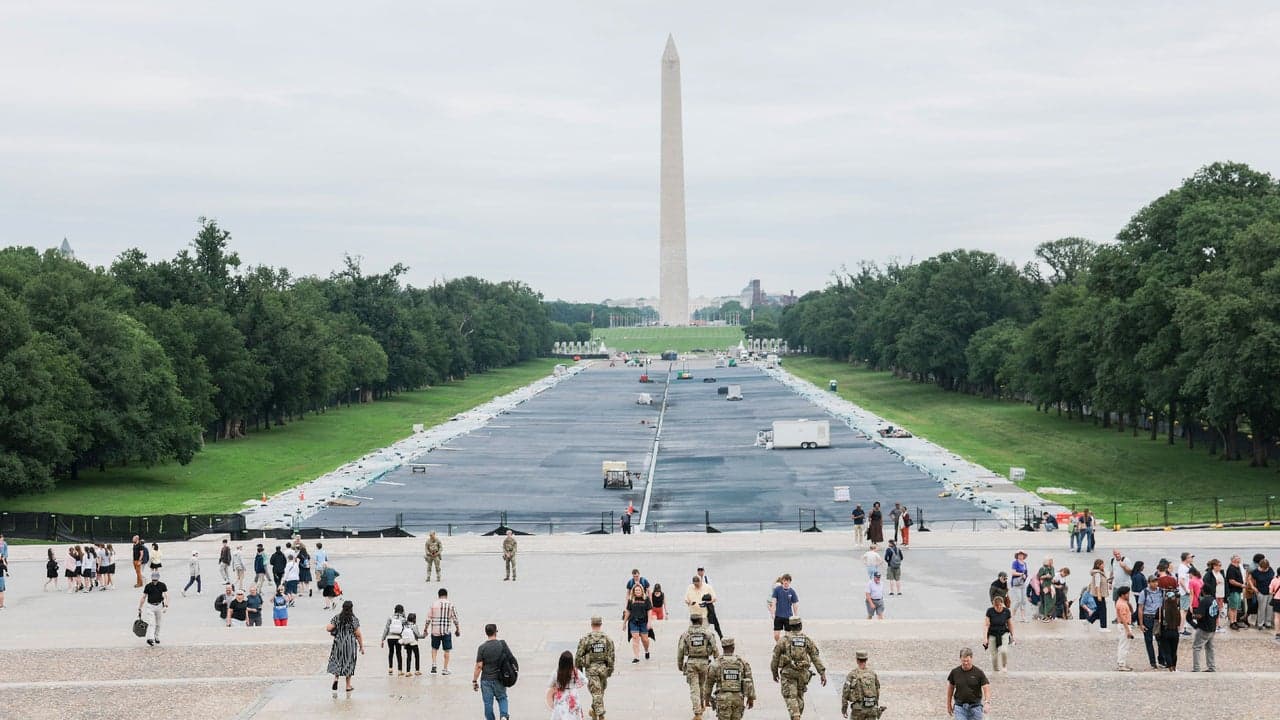
Washington, D.C. is positioning itself as a major event destination this summer with the official FIFA World Cup 2026 Fan Zone taking over the National Mall from June 11 through July 19. According to Fast Company, the sprawling activation will feature live match viewing, interactive soccer exhibits, cultural programming, and food and beverage offerings—all designed to draw massive crowds without requiring attendees to purchase expensive in-person game tickets.
The World Cup event coincides with America's 250th anniversary celebration, creating a dual-attraction strategy that will likely draw visitors from across the Southeast, including Georgia and the Nashville region. The Great American State Fair, running June 25 through July 10, will feature a 110-foot Ferris wheel, state-by-state showcases, and performances by major entertainment acts. This extended activation period maximizes visitor spending across multiple weeks.
Similar fan zone initiatives are appearing in other host cities nationwide, demonstrating a broader trend of municipalities leveraging major sporting events to drive tourism revenue and hospitality spending. Other host cities like New York are offering free watch parties and cultural events throughout their regions, suggesting that the fan experience—not just in-stadium attendance—has become central to event economics.
For Nashville-area tourism and hospitality businesses, these D.C. events offer a case study in event-driven revenue strategies. As more major events adopt free or low-cost public activations alongside premium ticket experiences, regional destinations should consider how they might capture similar visitor traffic during major sports events or cultural celebrations through creative programming and multi-venue strategies.