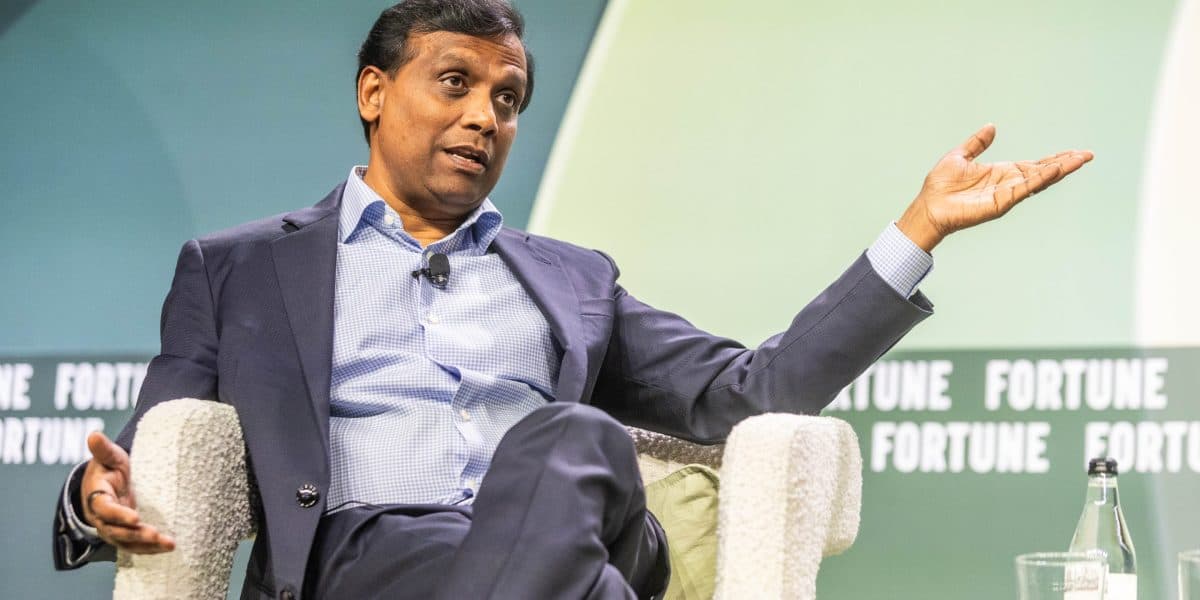
Photo via Fortune
While many technology leaders warn that artificial intelligence will displace workers, Ravi Kumar S., CEO of $27 billion IT services firm Cognizant, is taking a different stance. According to Fortune, Kumar is planning to hire over 20,000 graduates this year, betting that entry-level positions will remain viable in an AI-driven economy. This aggressive recruitment strategy stands in stark contrast to widespread industry anxiety about automation replacing human workers.
Kumar's optimism extends to how companies should measure AI success. According to the source, he dismisses what he calls 'token maximization'—the focus on expanding AI model parameters—as a "vanity metric" that obscures what actually matters for business value. This perspective challenges the industry's current obsession with scaling large language models and suggests that practical application and workforce integration deserve greater attention.
For Nashville's business community, particularly as the region develops its technology and professional services sectors, Kumar's approach offers an important counterpoint to AI doomsaying. Local companies evaluating their AI strategies might find reassurance in evidence that major technology firms are still investing heavily in human talent development. The message suggests that AI adoption and job creation aren't mutually exclusive when companies focus on training and integration rather than pure technological scale.
As Nashville continues attracting technology investment and building its innovation ecosystem, this hiring-forward philosophy may influence how local tech leaders approach workforce development. Kumar's argument that entry-level talent remains essential—even as AI capabilities expand—could shape recruitment and training strategies among Nashville-based and relocated tech firms seeking to build sustainable, long-term competitive advantages.