Photo via Fortune
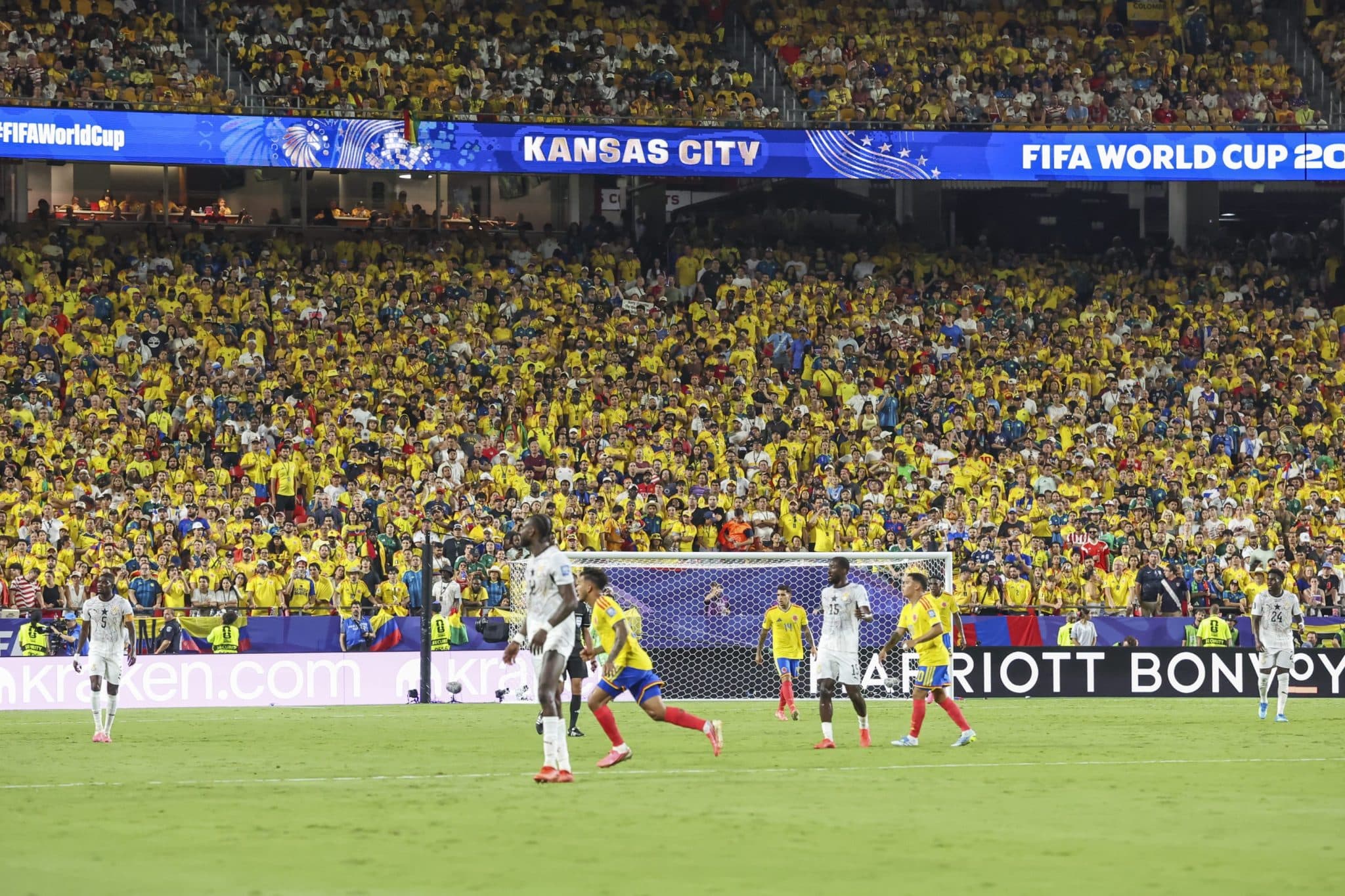
Kansas City has emerged as a model for strategic sports infrastructure development, investing $700 million over more than a decade to build world-class soccer facilities and supporting amenities. According to Fortune, this substantial commitment has positioned the Midwest city as a competitive bid for major international sporting events. For Nashville business leaders, the Kansas City case study demonstrates how targeted infrastructure investment can enhance a region's profile and attract high-profile tournaments and events that generate economic activity.
The multi-year investment strategy reflects a broader trend among U.S. cities competing for premium sports events and franchises. Such projects typically involve public-private partnerships, real estate development, and hospitality expansion—sectors with significant overlap in Nashville's current economic development priorities. The infrastructure buildout creates downstream opportunities across construction, retail, hospitality, and technology sectors, potentially offering a blueprint for how Nashville can leverage its own sports and entertainment positioning.
As Nashville continues to evaluate its sports and entertainment development strategy, the Kansas City model underscores the importance of sustained, coordinated investment and long-term planning. Cities that commit substantial capital to competitive infrastructure—particularly in sports—often see expanded business recruitment, job creation, and enhanced regional visibility. Understanding how other markets have executed these initiatives can inform Nashville's approach to capturing similar opportunities.