Photo via Fast Company
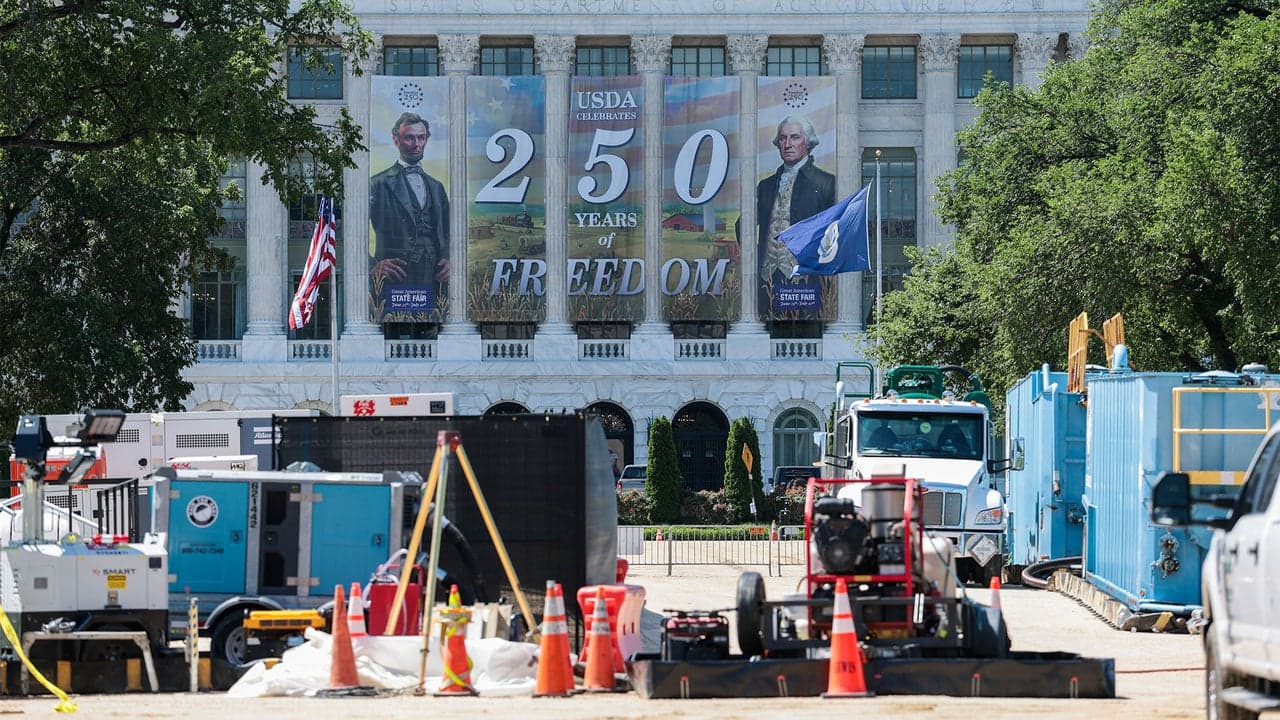
The Great American State Fair, scheduled for June 25 through July 10 on the National Mall, has encountered significant setbacks in its entertainment lineup. According to reporting from Fast Company, six of nine announced musical performers have withdrawn from the 16-day celebration of America's 250th anniversary, citing misleading information about the event's political nature.
Artists including Martina McBride, Bret Michaels, Young MC, The Commodores, Morris Day & The Time, and the actual vocalists behind Milli Vanilli cited a disconnect between what was presented to them during recruitment and the event's eventual positioning. McBride stated via social media that she "was presented with an opportunity to perform at a nonpartisan event, but that turned out to be misleading," while Michaels noted the event "evolved into something much more divisive" than his initial agreement.
The situation underscores a fundamental principle in event management: transparency and alignment between organizers, performers, and stakeholders. For Nashville's substantial music and entertainment industry, this case demonstrates the business risks when event organizers fail to clearly communicate an event's positioning, purpose, and potential associations to contracted talent—a lesson applicable to regional festivals and corporate gatherings.
Freedom 250 officials responded by reaffirming the event remains open to performers and emphasized celebrating American culture broadly. However, the public withdrawal of established artists, coupled with viral social media memes mocking the exodus, signals that reputation damage from poor communication can escalate quickly. Event organizers across industries should note how rapidly negative momentum spreads when stakeholder expectations diverge.