Photo via Fortune
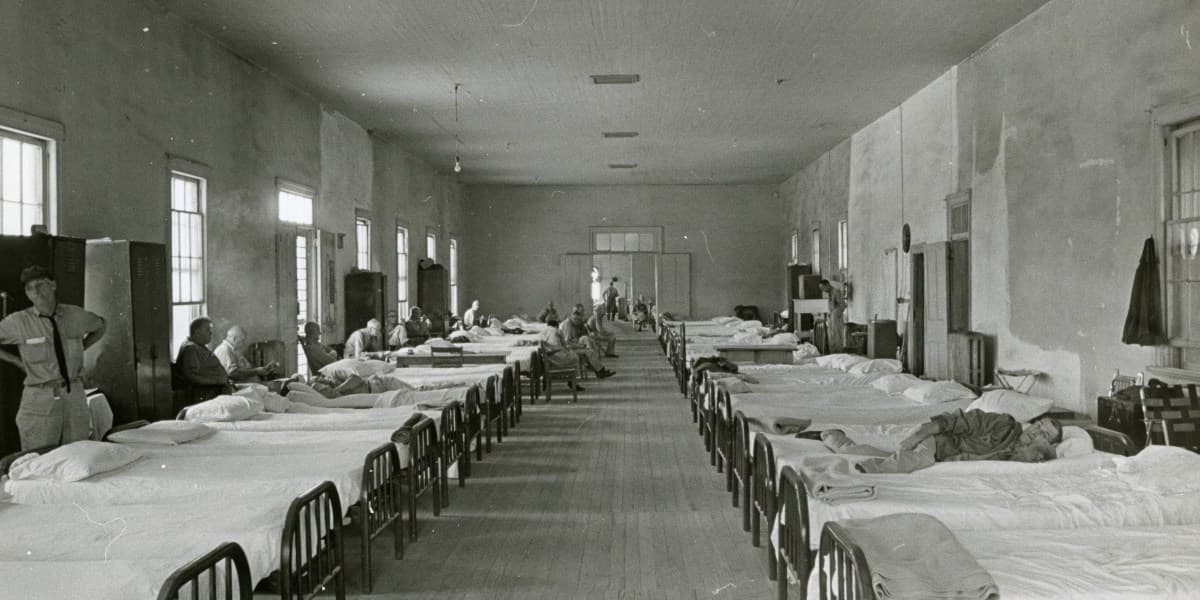
Hundreds of thousands of Americans who spent years in state psychiatric hospitals have left behind sealed medical records that their descendants cannot access, creating barriers to understanding family mental health histories. According to Fortune, this documentation gap affects families nationwide who are trying to piece together genetic predispositions to conditions like depression and other psychiatric disorders.
The challenge extends to healthcare planning and preventive care strategies for families in the Nashville region and beyond. When medical records remain inaccessible, individuals cannot fully inform their own physicians about family history, potentially affecting diagnosis and treatment decisions. This gap in medical transparency can impact how healthcare providers approach patient care and family counseling.
State psychiatric hospital records from the mid-20th century onward remain largely sealed, even decades after patients' deaths or discharge. Legal and privacy frameworks that once protected patient confidentiality now prevent descendants from accessing information that could inform their own health decisions. The situation raises questions about how to balance historical privacy protections with modern healthcare needs.
For Nashville-area families and the healthcare providers serving them, this issue underscores the importance of maintaining accessible family health records and encouraging open dialogue about mental health history. Healthcare organizations and legal advocates continue exploring solutions to balance privacy concerns with patients' rights and their families' legitimate medical interests.