Photo via Fast Company
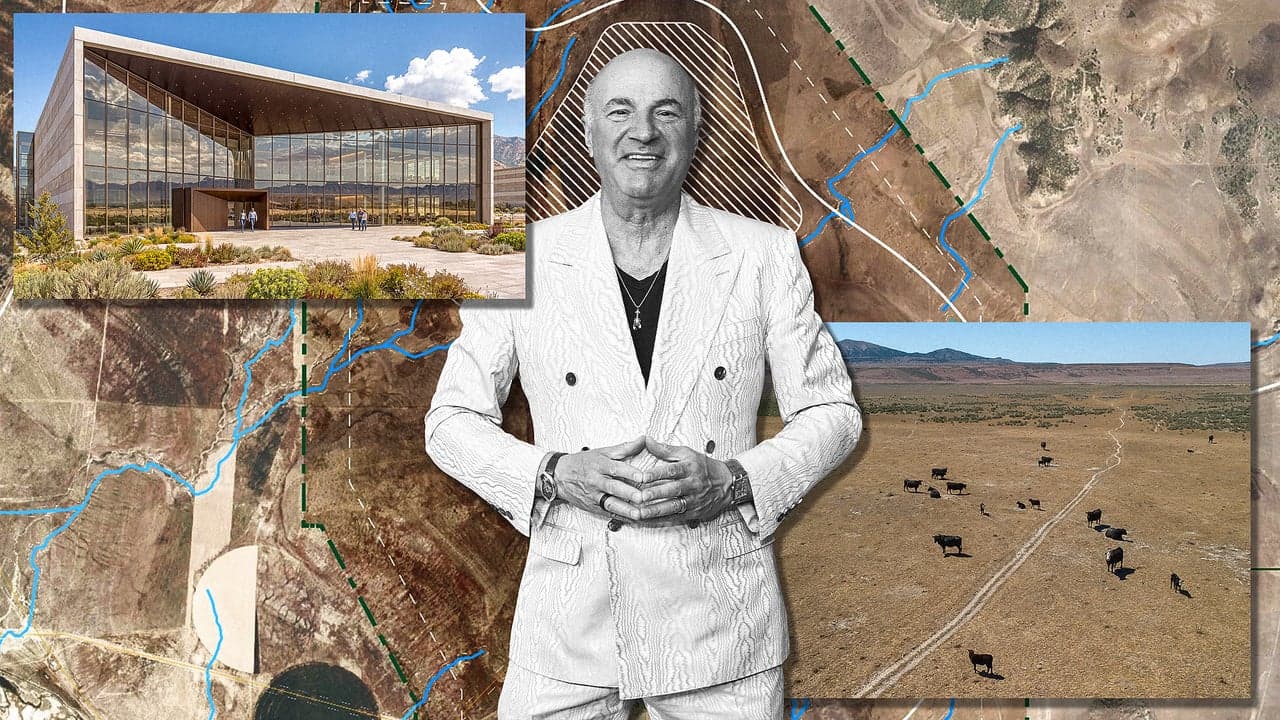
The race to build massive AI infrastructure is reshaping real estate and energy markets nationwide. According to Fast Company, investor Kevin O'Leary's proposed Stratos data center in Utah would span 10,000 acres and generate 7.5 gigawatts of power, potentially becoming the world's largest facility of its kind. The scale reflects intensifying competition among tech giants like OpenAI, Google, Amazon, and Microsoft to secure computing capacity for artificial intelligence development.
O'Leary argues that such mega-projects are economically inevitable. "The economics are so brutal, you need scale," he explained, noting that hyperscalers require unprecedented infrastructure to remain competitive globally. The Stratos project is designed to operate independently, with its own power generation and closed-loop cooling systems rather than drawing resources from regional grids or water supplies. If completed over a decade-long construction timeline, the facility could eventually employ more than 2,000 workers.
Community opposition has emerged around environmental and land-use concerns, with Utah residents questioning water impacts and resource demands. Local groups have filed referendum applications to reverse initial county approval. O'Leary has countered that misinformation fuels opposition, citing evidence of coordinated messaging from progressive advocacy organizations—a dispute highlighting how infrastructure megaprojects increasingly become political flashpoints.
For Nashville's business community, the Stratos precedent carries strategic implications. As AI infrastructure investment accelerates nationwide, regions compete to attract or reject such facilities based on energy capacity, regulatory environment, and workforce availability. Tennessee's growing tech sector and established data center presence position the state as a potential contender for similar investments, making it important for local leaders to understand both the economic opportunities and community considerations these projects entail.