Photo via Fast Company
According to internal communications reviewed by Business Insider, Microsoft's biannual Employee Signals survey shows a company in transition. While 71% of the tech giant's 220,000-person global workforce participated and reported a "Thriving" score of 79—up 3 points—employees flagged significant gaps in manager coaching, feedback delivery, and motivation. For Nashville-area business leaders managing technical teams or considering growth in competitive tech sectors, the findings underscore how rapid organizational change can strain manager-employee relationships even when employees value their work itself.
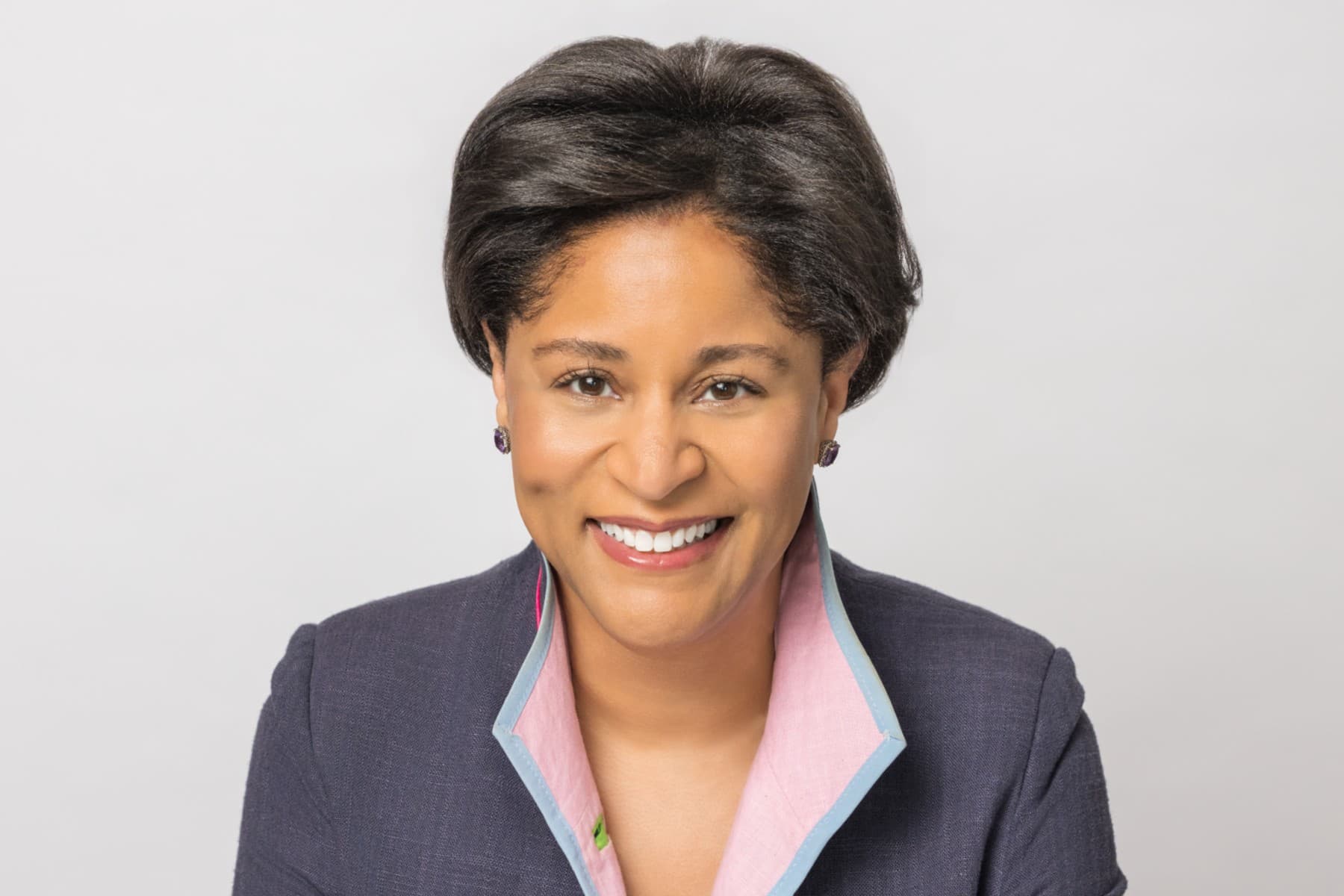
Microsoft's chief people officer Amy Coleman highlighted security focus and team inclusion as strengths, but acknowledged widespread concerns about strategy clarity, communication processes, and execution speed. The company has simultaneously undertaken sweeping changes: offering voluntary retirement to 7% of staff, revamping HR policies around compensation and promotion, and implementing new performance-management tools. These structural shifts appear to have created employee anxiety despite leadership's commitment to transparency—a dynamic that mirrors challenges faced by growing Nashville companies navigating scaling operations.
The manager feedback revealed a troubling trend. While 85% of employees expressed confidence in their direct managers' ability to drive innovation and foster inclusion, the lowest ratings centered on day-to-day coaching, feedback clarity, and team motivation—all categories showing decline since the previous survey. For Nashville business owners and executives, the data suggests that embracing innovation and inclusion metrics alone won't retain talent; managers need training and support to deliver consistent, constructive feedback in high-pressure environments.
Microsoft's experience reflects broader tech industry challenges as companies pivot toward AI infrastructure and cost optimization. The company recently shifted employees away from Claude Code licenses to GitHub Copilot to manage rising data center expenses. For Nashville firms competing for technical talent or considering tech investments, the Microsoft case demonstrates that culture and retention pressures intensify when strategic priorities shift rapidly. Leadership transparency and manager development become critical differentiators.