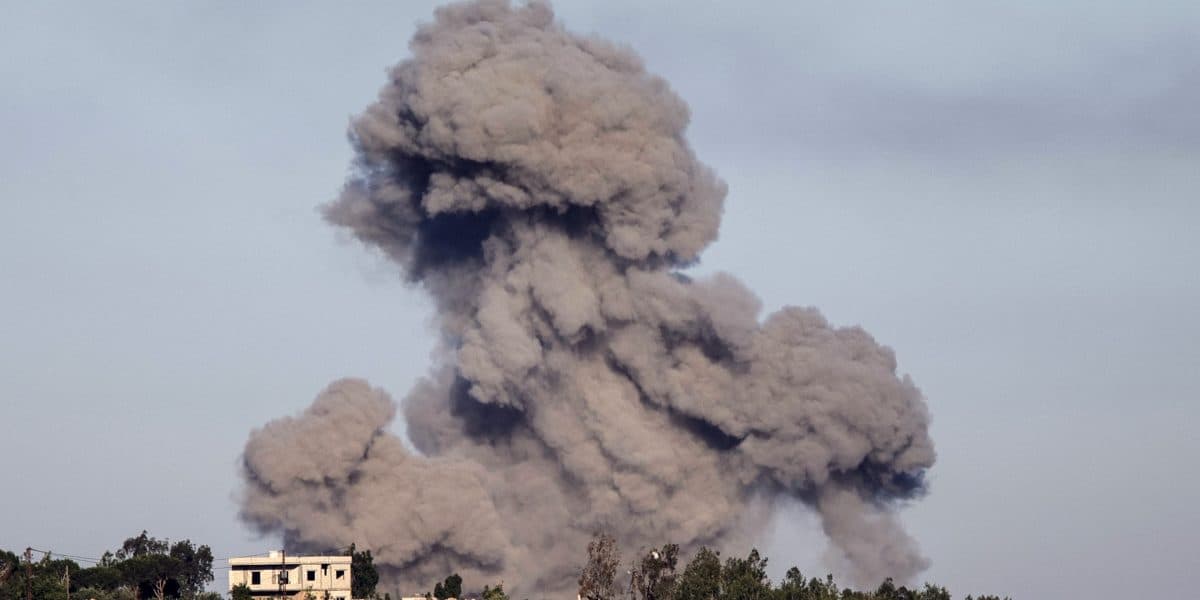
Photo via Fortune
According to Fortune, military tensions in the Middle East have intensified as Israel expands operations into Lebanon, with Israeli Defense Minister Israel Katz confirming that the IDF has established a presence at Beaufort castle near Nabatieh. This escalation occurs amid broader negotiations between Iran and the United States, which remain uncertain and may influence regional stability in the coming weeks.
For Nashville-area businesses engaged in international trade, energy procurement, and logistics operations, geopolitical friction in the Middle East typically translates to market volatility. Companies dependent on global supply chains or energy commodity pricing should monitor how these developments may affect shipping routes, insurance costs, and inventory planning.
Energy markets are particularly sensitive to Middle East developments, given the region's critical role in global oil production and pricing. Tennessee businesses with exposure to energy costs—including manufacturing, transportation, and healthcare operations—may face pressure on operating margins if regional instability persists or escalates further.
Business leaders should consider reviewing their geopolitical risk assessments and supply chain contingencies as diplomatic talks between Iran and the U.S. remain in flux. Consulting with international risk analysts and diversifying supplier relationships may help Nashville companies mitigate exposure to Middle East-related disruptions.